How Businesses Can Adapt to AI Overviews in Search
AI Overviews are changing how people use search results. Instead of clicking multiple websites, users often get a summary directly on the results page and only click when they need more confidence. For local businesses, that can mean fewer visits from informational queries. The opportunity now is to make every page more useful, every click more valuable, and every lead path clearer.
The opportunity now is different: make every page more helpful, every click more meaningful, and every path to becoming a lead clearer.

If your organic traffic has been inconsistent lately, you are not alone. The fix is not to publish more generic content. The fix is to create pages that help people make better decisions faster. This guide shows exactly what to change and where to start.
What Is Happening and Why It Matters
AI Overviews reduce clicks mostly on broad, top-of-funnel questions. People still click when they need proof, local fit, pricing clarity, and confidence before contacting a company. That means your website should do less "basic explanation" and more "decision support," which is where integrated SEO & Web Design becomes practically useful.
In practical terms, your pages should answer:
1. Is this provider right for my situation?
2. What will this likely cost or involve?
3. How long will it take?
4. What should I do first?
5. How do I know this company is credible?
When those answers are missing, users leave. When those answers are clear, users move forward.
Step 1: Turn Service Pages Into Decision Pages
Most service pages are too broad. They list features, repeat keywords, and never address buyer concerns. A high-performing service page should help someone decide whether to contact you now.
Use this structure on priority pages:
1. What this service solves
2. Who it is for (and not for)
3. Typical process and timeline
4. What affects cost
5. Common mistakes to avoid
6. What to prepare before contacting you
7. Clear next step
Reader benefit: less confusion, faster decisions, better lead quality.

Step 2: Add Proof That Lowers Risk
Users click when they need confidence. Add proof in a way that answers real hesitation.
High-impact proof elements:
a. Short case examples (problem -> approach -> result)
b. Before/after outcomes
c. Common scenario walkthroughs
d. Team credentials and process standards
e. Real constraints (what can delay timelines)
This is where a strong SEO and web development strategy helps: SEO attracts the right query intent, and page design converts that intent into action.
Reader benefit: more trust, fewer back-and-forth questions, stronger conversion intent.
Step 3: Improve Action Paths for Different Buyer Stages
Not every visitor is ready to call immediately. Some want quick pricing guidance. Some want to compare options. Some are urgent.
Create multiple action paths on each key page:
a. Urgent: "Call now"
b. Evaluating: "Request estimate"
c. Researching: "Get service checklist"
d. High-consideration: "Book consultation"
This reduces friction and keeps people moving instead of bouncing.
Reader benefit: easier next step, better experience, more qualified inquiries.
Step 4: Upgrade Technical Basics That Hurt Conversions
When clicks are harder to earn, technical issues cost more. If a page is slow, cluttered, or confusing on mobile, users leave before converting.
Prioritize these fixes first:
a. Improve mobile load speed on top landing pages
b. Keep call/form CTAs visible without excessive scrolling
c. Clean internal links so users can move by intent
d. Remove duplicate or thin sections
e. Ensure titles/headings clearly match search intent
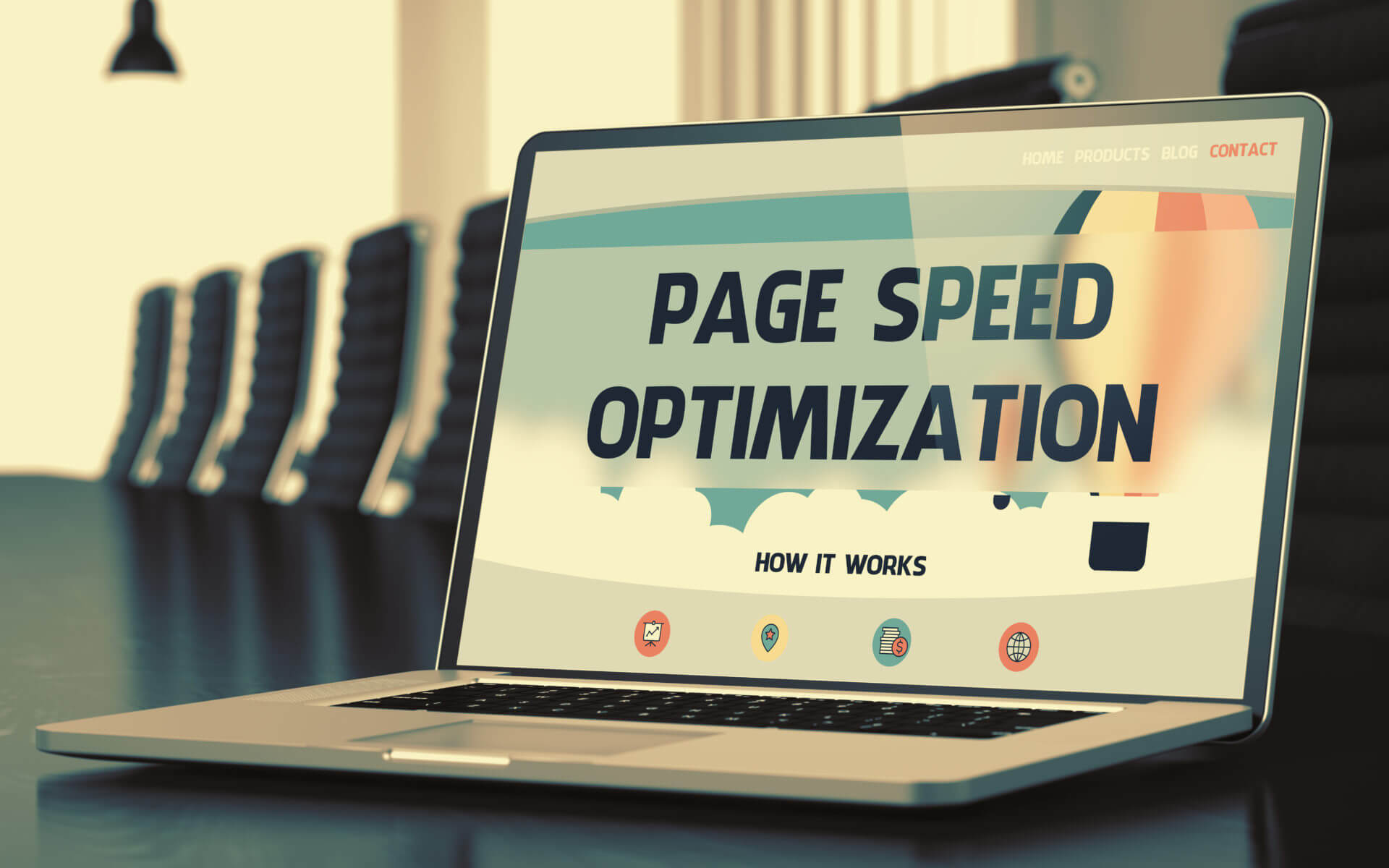
Don’t overcomplicate this. Start with pages that already get impressions and fix conversion blockers there first.
Reader benefit: faster pages, easier navigation, higher chance of lead conversion.
Step 5: Track Outcomes, Not Just Rankings
Rankings alone do not show whether SEO is helping revenue. You need decision-stage metrics.
Track this set weekly:
a. Click-through rate by page type
b. Leads by landing page
c. Lead quality by landing page
d. Conversion rate by device
e. Branded search trend
f. Form completion rate and call actions
If traffic drops but qualified leads hold steady or grow, your strategy is working. If traffic looks fine but lead quality drops, your pages need better intent alignment.
Reader benefit: clearer decisions, less guesswork, better ROI control.
A 30-60-90 Plan You Can Actually Execute
Days 1-30: Diagnose
a. Identify top 10 pages by impressions
b. Flag pages with low CTR and low conversion
c. Remove duplicated messaging across similar pages
d. Rewrite weak titles and headings for intent clarity
Days 31-60: Rebuild
a. Rewrite top service pages using decision-page structure
b. Add proof blocks and objection handling
c. Improve CTA placement for mobile users
d. Add internal links by buyer journey
Days 61-90: Scale
a. Apply winning format to secondary service pages
b. Build supporting FAQ content from real sales questions
c. Tighten analytics dashboard around lead outcomes
d. Run monthly content quality reviews
Reader benefit: clear sequence, manageable execution, measurable gains.
Common Mistakes to Avoid

1) Chasing only impressions
Impressions without conversions are vanity metrics.
2) Publishing generic AI-style content
If every page sounds the same, users do not trust it.
3) Overloading pages with location repetition
Local relevance matters, but usefulness matters more.
4) Hiding the next step
If users must hunt for contact actions, conversions drop.
5) Ignoring sales-team feedback
Your best content topics usually come from real customer questions.
Reader benefit: avoids wasted effort and improves execution quality.
How to Keep Local Relevance Without Keyword Stuffing
Use local context where it helps understanding, not everywhere. Mention service areas, local constraints, and practical conditions users care about. For example, if you serve Tampa, discuss local search behavior only when it clarifies service expectations or buyer intent. Keep the focus on solving problems, not repeating location terms.
Reader benefit: stronger readability, better trust, cleaner SEO signals.
Conclusion
AI Overviews are changing click patterns, but they are not removing opportunity. The businesses that win now are the ones that make pages genuinely useful, technically clean, and conversion-focused.
If you focus on decision support, proof, clear next steps, and outcome-based measurement, organic search can still be one of your highest-leverage growth channels. Fewer clicks do not have to mean fewer leads. In most cases, they just require a better system.
About the Author