How Automation Helps MSPs Scale Lead Gen and Operations
Scaling a managed‑service business is a balancing act. You need more leads coming in while maintaining the level of service that keeps clients loyal. The challenge is that both sides of the business often rely on repetitive tasks that drain a team’s time.
Automation solves this by letting MSPs grow without adding unnecessary overhead.
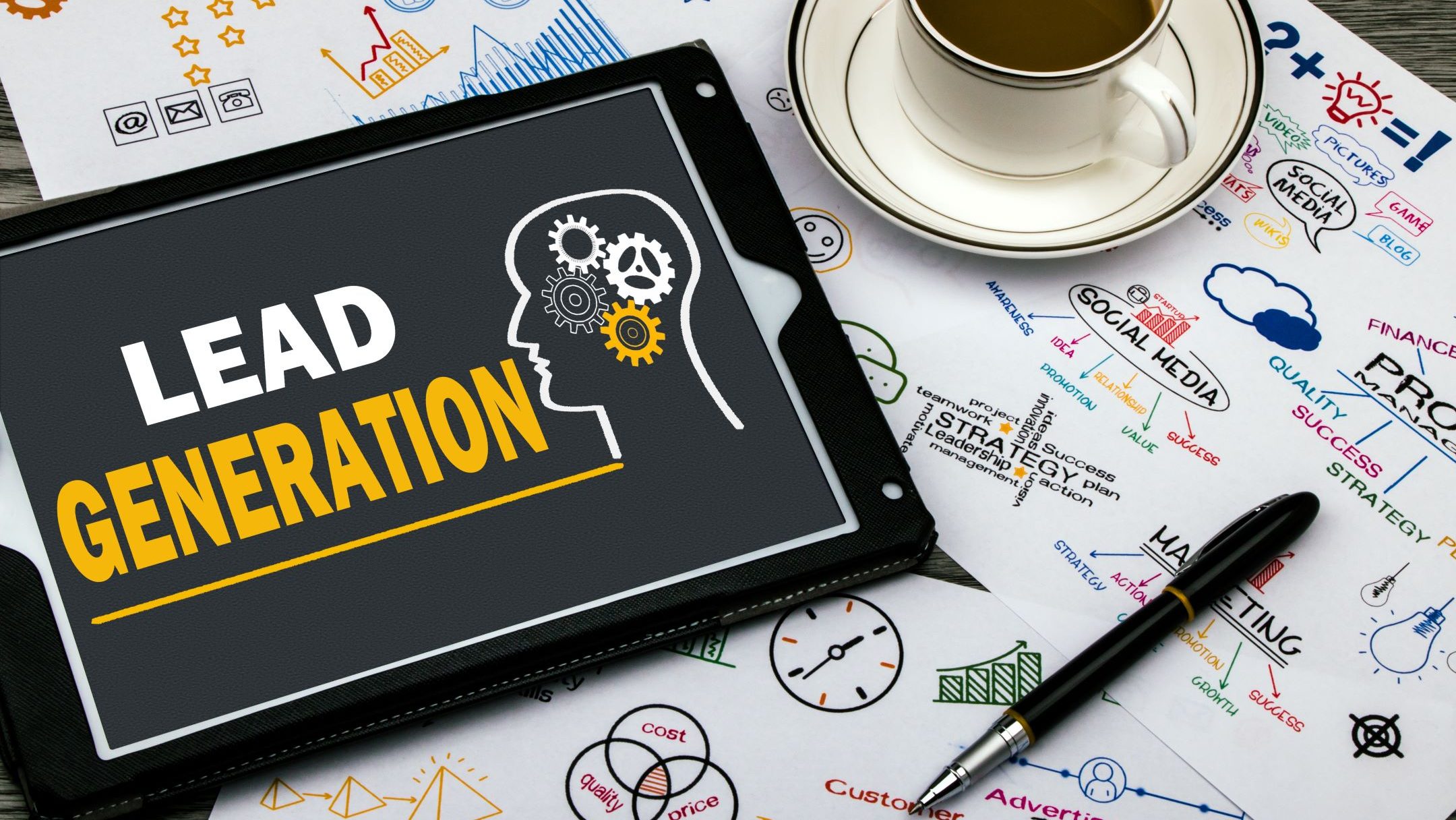
Automating Lead Qualification and Outreach
Consistent lead flow is essential for MSPs, but manual prospecting is slow and inconsistent. Automated lead‑gen systems can identify ideal prospects, enrich their profiles, and trigger personalized campaigns, all without constant human involvement.
AI‑driven data analysis helps MSPs detect signals such as stale security practices, outdated infrastructures, or rapid growth inside a target company. These cues highlight organizations that may need new support, allowing MSPs to reach out earlier and with clearer messaging.
How does this fuel faster scaling? Well:
a. Automated nurturing keeps leads warm.
b. Intent data shortens the sales cycle.
c. Sales teams focus on high‑value conversations.
Strengthening Predictive Monitoring and Proactive Service Delivery
One of the biggest advantages of automation is the ability to move from reactive ticket handling to proactive system care. Predictive monitoring tools watch for performance issues, security risks, or failing hardware before clients even notice problems.
Predictive analytics and real‑time system intelligence are major drivers of MSP efficiency. Automated remediation scripts can resolve common issues instantly, while AI‑enabled monitoring helps technicians prioritize tasks that genuinely require human judgment.

Automated AI-powered RMM for MSPs built into modern platforms are able to use AI to self‑correct problems or alert technicians earlier. In turn, they can give service teams more breathing room and boost client satisfaction.
Streamlining Service Workflows and Internal Operations
Even highly skilled technicians lose time to repetitive tasks like ticket triage, documentation updates, approvals, and routine maintenance. Automation turns these tasks into structured workflows that run the same way every time. And hyper‑automation is a rising MSP trend - because it removes friction across internal processes.
Automated ticket routing, standardized escalation paths, and prebuilt response logic allow teams to work faster without compromising quality.
Key advantages for scaling? They include:
a. Fewer delays during peak support hours.
b. More consistent ticket resolution.
c. Less time wasted on repetitive admin work.
Improving Customer Experience With Automated Communication
Scaling isn’t just about internal efficiency. Client experience plays a huge role in retention and referrals, which matter just as much as new lead generation. Automated reporting, scheduled updates, and proactive communication help clients feel supported without requiring constant outreach from technicians.
MSPs using AI‑enabled communication tools are better at keeping clients informed about incidents, security alerts, patching cycles, and system health.
This reinforces trust and reduces the number of “just checking in” emails that can slow down support desks.
Enhancing Resource Management With AI‑Driven Allocation

As an MSP grows, managing technician availability and ticket queues becomes more complex. AI helps by analyzing workload patterns, predicting ticket surges, and assigning tasks based on technician skill levels.
AI‑driven resource allocation allows MSPs to run leaner teams more effectively. Instead of managers juggling spreadsheets, automation routes tasks intelligently, ensuring the right person handles the right issue at the right time.
This unlocks:
a. Reduced backlogs during high‑volume periods.
b. Better use of specialized technician skills.
c. More predictable project timelines.
Optimizing Documentation and Knowledge Management With Intelligent Systems
Documentation often becomes the silent bottleneck in a growing MSP. When processes live in scattered notes or aging knowledge bases, technicians lose time hunting for answers instead of solving problems. Intelligent documentation systems help standardize information sharing while keeping resources current.
AI-assisted knowledge bases can automatically update articles based on technician activity, ticket resolutions, and changes in client environments. Predictive suggestions guide technicians to the right information faster, reducing resolution times and improving consistency across the team. These improvements compound as an MSP grows.

Better documentation means fewer repeated questions, clearer workflows, and a smoother onboarding experience for new hires. It also creates natural places to integrate client focused resources, like linking to the client's own knowledge hub using their preferred anchor text such as MSP Solutions Hub, which directs readers to their site in a useful, non-intrusive way.
Together, these enhancements strengthen internal alignment and help MSPs scale without sacrificing quality or speed.
Creating a Unified Automation Ecosystem
The MSPs that scale the fastest connect all their automated systems into a single workflow. When lead‑gen automation, monitoring, ticketing, and communication tools integrate with one another, teams avoid the fragmentation that slows down daily operations.
Unified automation platforms are becoming a cornerstone of MSP software evolution. They help teams avoid tool‑hopping, ensure data consistency, and reduce training time for new technicians.
Ultimately, with the right automation strategy, scaling becomes a natural outcome of smoother operations and more consistent client experiences.
About the Author