Best Enterprise Service & Incident Management
Running an enterprise IT environment means having to handle many unexpected circumstances all the time. Things like systems going down, alerts, users submitting requests, etc., can happen all the time, and teams need to be able to react to them quickly. When such incidents are not handled well, there is a risk of longer downtimes and drops in productivity. Not to mention, it affects customer satisfaction and trust.
This is why good service and incident management tools have become so important. The enterprise service management tools that we have today offer way more than simply logging tickets. They are designed to help spot issues, reduce alert overload, and make sure that incidents are handled more quickly.
The best tools even offer the capability to learn from past problems and ensure the same things don’t happen again.
Top Service and Incident Management Tools for Enterprises
Below, we will be taking a look at three of the best enterprise service and incident management platforms.
1. Xurrent

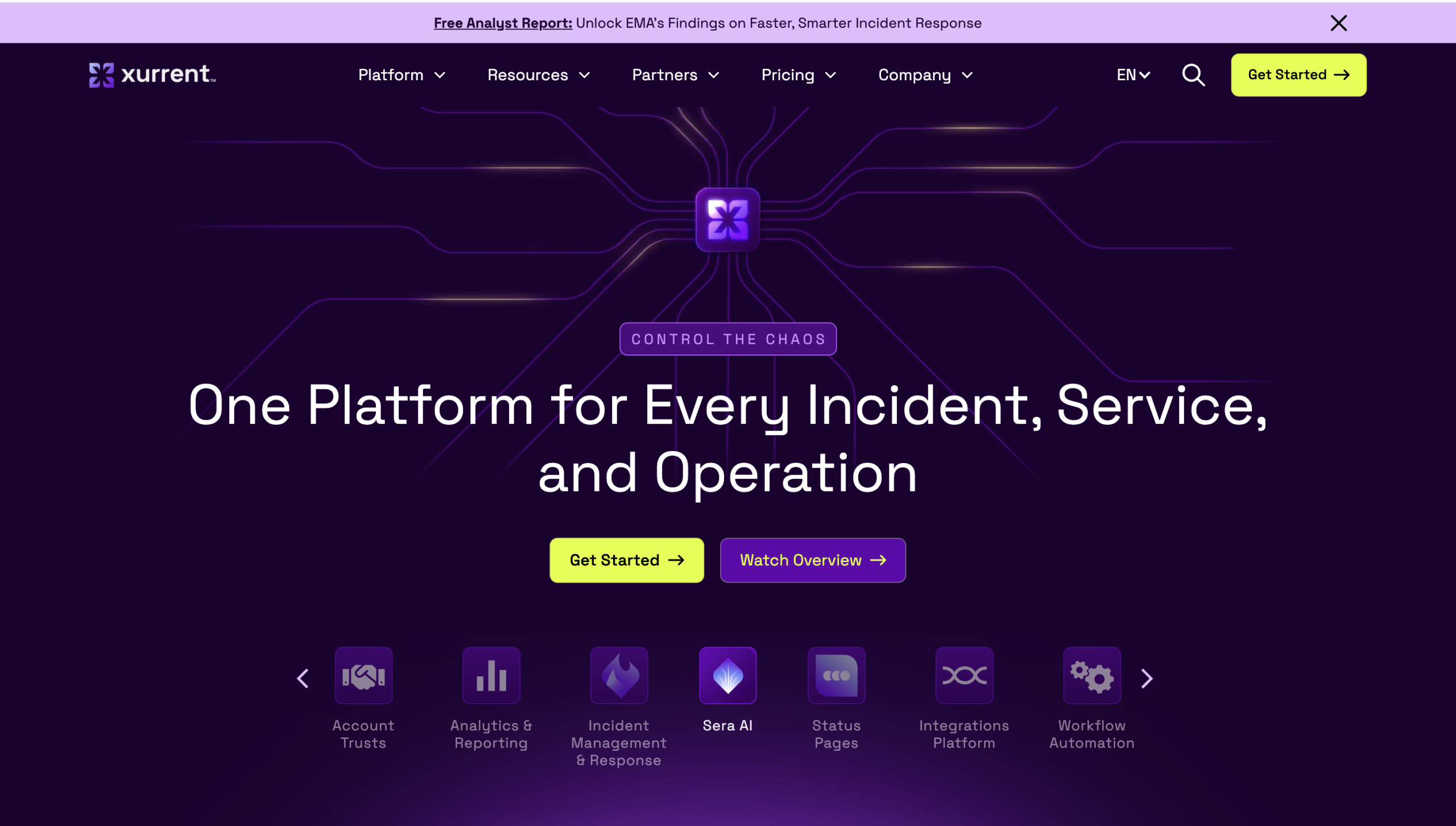
Xurrent is a modern service and incident management platform. The best thing about Xurrent is that it was designed for enterprise teams and combines IT and enterprise service management, IT operations, and incident response into one single system.
Their goal is very simple: help teams resolve any issues faster and with less effort. They do this by focusing on automation and AI, which reduces manual work and speeds up the whole process.
Key Features
- AI-Powered Incident Handling
Xurrent uses AI to automatically classify and route tickets where necessary. What this means is incidents are automatically sent to the right team instantly, instead of bouncing between different departments. By doing so, they also reduce alert noise, meaning teams can actually focus on real issues.
- Faster Resolution Times
As Xurrent IMR combines smart routing with real-time context, teams can resolve the incidents much more quickly. This is a great benefit because it can help shorten downtime and minimize frustrations for both users and IT teams.
- One Platform for Services and Incidents
With Xurrent, you can skip using separate tools for service requests and incident response. It keeps everything - incidents, changes, problems, and requests - in one place. And because they are all connected, teams can have a clear view of what’s actually happening across the organization.
- Workflow Automation
Xurrent automates approvals, escalations, notifications, and even follow-up tasks, which means removing many manual steps. This helps save time and allows teams to actually focus on higher-value work.
- Clear Reporting and Dashboards
With this platform, you can also get access to real-time dashboards and simple, easy-to-understand reports. These can help track overall performance, spot any trends, and support compliance needs if necessary.
- Built to Scale
One of the best things about Xurrent is that it is also a cloud-based platform and is designed to scale as the organization grows. So, it works well for large organizations and for companies that are expecting rapid growth.
2. ServiceNow

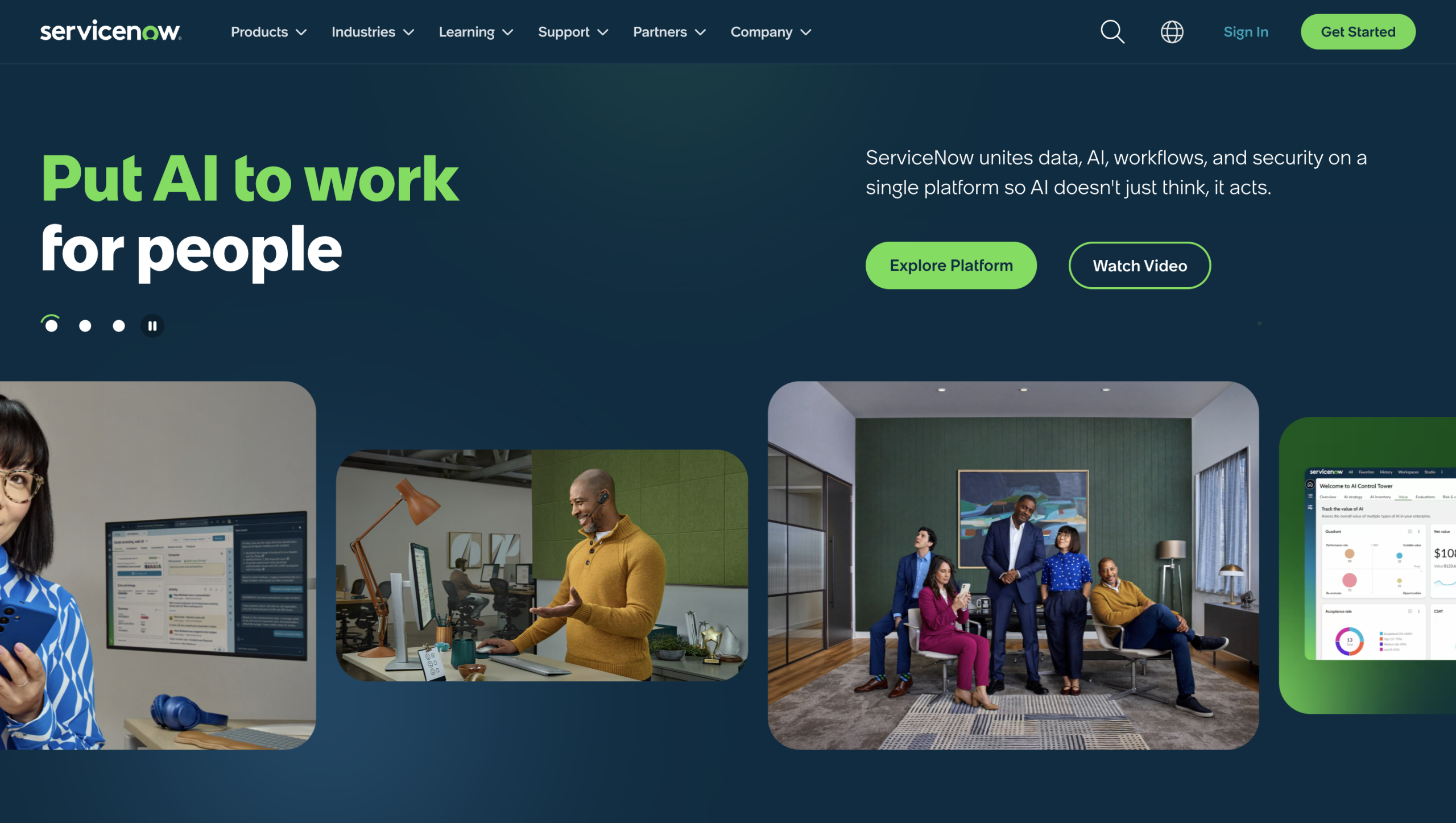
ServiceNow is one of the best-known enterprise service management platforms in the world. Many organizations use it to manage their IT services, incidents, and business workflows across multiple departments.
It is a very flexible platform that offers many advanced features, especially for complex environments.
Key Features
- Complete ITSM
ServiceNow covers all key IT service management processes. This includes incident, problem, change, and request management. It also follows ITIL best practices and is very often used in regulated industries.
- Strong Incident Management
With ServiceNow, teams can actually track incidents from start to finish, manage any major outages, and set up clear escalation paths in case any critical issues arise.
- Automation and Orchestration
ServiceNow allows organizations to automate routine tasks and workflows. This helps reduce manual work and speeds up service delivery.
- Detailed Analytics and Reporting
ServiceNow’s platform provides detailed reports and dashboards that show how IT services are performing. These insights can be crucial and help leaders make better strategic decisions.
- Enterprise Integrations
This platform can also connect with many other tools, like monitoring, security, HR, and finance systems. This makes it a central platform for all operations.
3. Jira Service Management
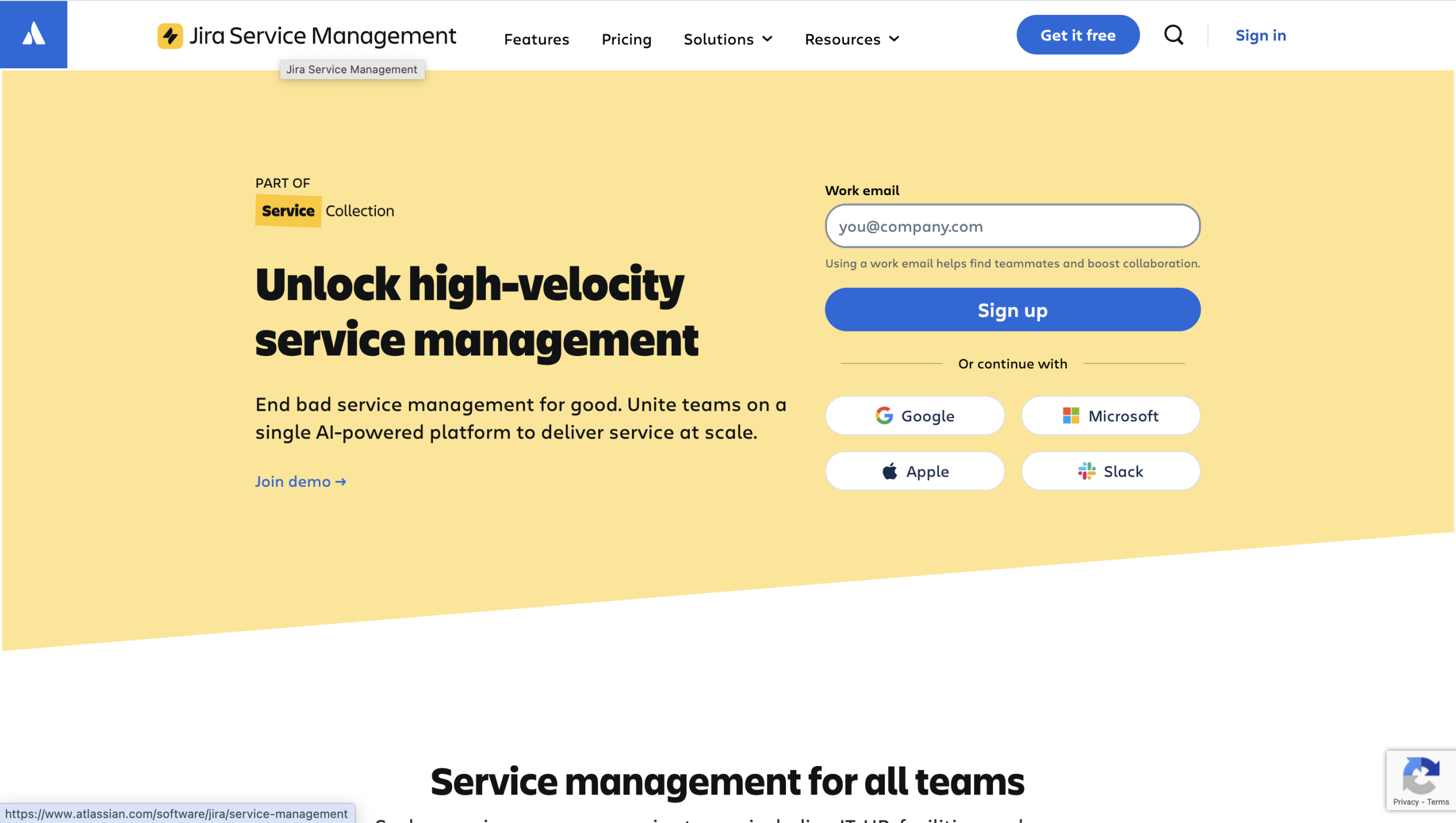
Jira Service Management is Atlassian’s service and incident management tool. It’s especially popular with IT and DevOps teams, and can be very useful, particularly for those already using Jira Software.
Key Features
- Incident and Request Management
Jira Service Management lets teams handle incidents and service requests in one system. Tickets are easy to track, update, and assign.
- Strong DevOps Integration
Incidents can be linked directly to code changes, deployments, and projects in Jira Software. This helps teams understand how incidents relate to recent updates.
- Built-In Automation
Teams can automate ticket routing, notifications, and escalations using simple rules. This reduces manual work and keeps everyone aligned.
- On-Call and Incident Response Tools
The platform supports on-call schedules and escalation policies, helping teams respond quickly when critical issues happen.
- Simple Reporting
Jira Service Management provides clear reports on response times, resolution times, and workload, helping teams improve over time.
Conclusion
Today, service and incident management is not only about handling tickets. Companies need to be able to respond faster and keep their systems reliable. And doing this would be impossible without advanced tools and platforms that use automation and AI to help handle service and incident management seamlessly, making it a smooth process for both customers and operations teams.
Each of the tools we discussed above can help you achieve this, so the best choice depends on your organization’s specific needs.
About the Author