How Virtual Queuing Helps Reduce Customer Walkaways
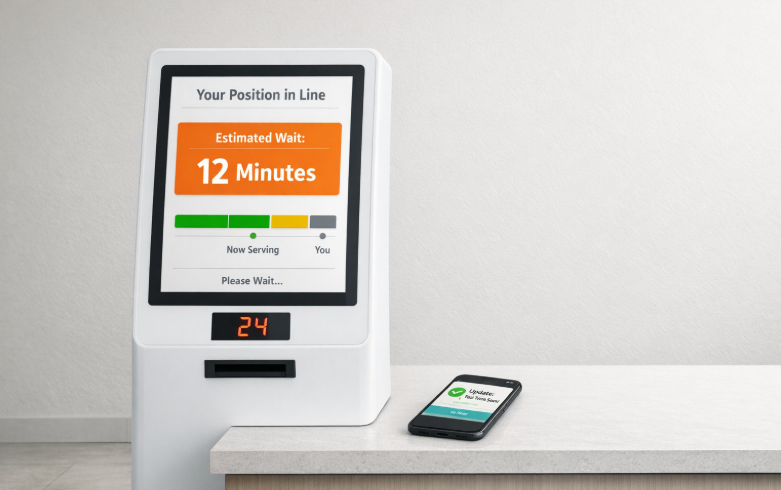
Long physical and digital queues can cause customers to abandon services before engagement, leading to loss of revenue and trust. Virtual queuing offers greater transparency and flexibility, helping target the main reasons behind lost opportunities. Implementing targeted improvements in the queuing process can reduce walkaway rates and directly enhance the customer journey.
Walkaways happen when individuals leave a service journey due to long waits, unclear communication, or inefficient check-in procedures. For organizations prioritizing customer satisfaction and conversion, each walkaway is a missed opportunity to create value. Queue management systems, including Waitwell queue management, aim to streamline the queuing process and reduce friction, turning potential losses into better experiences. Identifying why walkaways happen and how enhanced virtual queuing addresses them is essential for smoother, revenue-supporting operations.
Defining walkaway rates and why they matter
The walkaway rate refers to the percentage of individuals who leave before completing a service or appointment. In high-volume settings, tracking this metric can highlight areas for service improvement and help pinpoint operational weaknesses.
To measure walkaway rates accurately, organizations should use consistent definitions across all channels, including physical, digital, and hybrid. This can include counting customers who leave in person, no-shows for online bookings, and those abandoning digital forms. Gathering data on where customers exit helps establish a clear measurement of this rate.
Understanding walkaway rates informs strategic decisions that affect both revenue and long-term customer value. High rates may reflect friction and lost opportunities, while low walkaways are typically linked to higher satisfaction and conversions. As virtual queuing systems improve, monitoring these rates is crucial to assess the impact of enhancements.
Different industries experience varying baseline walkaway rates depending on service type and customer expectations. Healthcare facilities may see higher tolerance for waits due to perceived necessity, while retail environments often face immediate abandonment when queues appear too long. Benchmarking against industry standards helps organizations set realistic targets and identify whether their walkaway rates indicate systemic issues or simply reflect sector norms. Regular analysis of walkaway patterns by time of day, service type, and customer segment can reveal specific bottlenecks that require targeted intervention rather than broad operational changes.
Root causes behind customer walkaways in queues

Uncertainty over wait times or a lack of timely updates often leads to increased walkaways. Without predictable wait-time estimates, customers can perceive the wait as excessive and are more likely to abandon the queue.
Poor communication further contributes to frustration. Absent regular status updates or notifications, customers may feel ignored or unsure about their place in line. Systems without two-way interaction limit users' ability to clarify their status or request assistance, increasing the likelihood of exit.
Other common causes include a lack of fairness or accessibility in the process, or unclear check-in procedures. Interfaces that are difficult to use, or that exclude those with accessibility or language requirements, can increase abandonment. Consistency between walk-in and booked customers is important to maintain trust.
Virtual queuing features that improve retention
Modern virtual queuing solutions provide real-time status and wait-time estimates. When customers regularly receive updates about expected wait times, they can plan accordingly and are more likely to remain engaged.
Notifications sent via SMS or mobile apps facilitate two-way engagement, allowing customers to confirm intent, reschedule, or update their expected arrival. Prompting users to confirm ongoing participation in the queue can keep queue data accurate and reduce unused queue slots.
Self check-in and straightforward identity verification options help decrease confusion at arrival and support transparent order management. Features like grace periods, re-queuing options, and fairness controls ensure consistent treatment for all users, whether they are walk-ins or pre-booked. Emphasizing accessible and multilingual design helps minimize walkaways among users with diverse needs.
Optimizing operations and capturing actionable data
Successful virtual queuing relies on establishing baseline service times and adjusting workflows as demand varies. Staff must be trained to manage digital queues and call customers efficiently, balancing speed with accurate identification.
During peak times, adaptive triage or routing, such as prioritizing by urgency or customer type, can ensure those with time-sensitive needs are served appropriately. Effective segmentation helps balance outcomes despite variable demand.

Virtual platforms also support useful data collection on visit intent, preferred communication channels, and urgency, without creating extra burden for users. This information can inform scheduling, staffing, and improve post-visit communication strategies.
Tracking metrics such as walkaway rate, average wait time, time to first update, notification engagement, no-show rate, repeat visits, and customer satisfaction allows for broad performance analysis. Comparing results before and after virtual queuing adoption highlights operational impact and identifies ongoing improvement areas.
Safeguarding privacy and ensuring fair user experience
Increasing digital communication requires strong privacy practices. Obtaining clear consent for notifications and explaining data use supports compliance and user confidence.
Balancing notification frequency and relevance is important to prevent fatigue while keeping customers informed. Designing queues to treat all customer types equitably, regardless of appointment type, strengthens trust and lowers abandonment rates.
By focusing on accessibility, fairness, and clear processes, organizations can reduce walkaways. Improved wait-time communication, interactive updates, inclusive design, and operational alignment support better customer journeys and measurable business results.
About the Author