Why Gated Content Still Drives High-Quality B2B Leads
When it comes to contemporary tactics for B2B lead generation, providing premium “gated content” such as whitepapers, benchmark reports, and strategic playbooks is still considered to be one of the best ways to attract MQLs (Marketing Qualified Leads). If a potential customer completes the LeadGen App form and enters his/her corporate email, he/she expects to receive valuable and well-researched content.
But in case more and more growth and demand-gen teams use generative tools to write such complex reports, the problem that appears is losing the authority due to the lack of personal touch.
The High Stakes of B2B Credibility
Unlike the TOFU articles, gated content is reviewed by high-level executives, CTOs, and purchasing officers who have very little patience for generic fluff, repeated language, and strict paragraphing style associated with pure AI outputs.
If anyone takes the whitepaper and finds it to be written in a manner that seems like a simple answer generated by the algorithm, then two immediate consequences take place:
1. High Churn / Low Engagement: The reader looks at the first two pages and finds out that the document has been created by an algorithm.
2. Brand Dilution: The initial trust established by your landing page vanishes, ruining the chances of turning that lead into a booked sales demo.
Boosting the Long-Form Lead Magnet
In order to sustain a fast publishing rate while not sacrificing the quality of reporting, top-tier B2B marketing departments are revamping their content creation workflows. Instead of relying on AI for full writing, they treat it as an outlining tool and follow with meticulous humanization steps:
1. Data-Driven Structuring: Backing up all key claims by proprietary research data, client studies, or framework ideas that generic algorithms can’t generate.
2. Calibrating Tone and Cadence: Removing company buzzwords and switching to punchy and executive-like language.
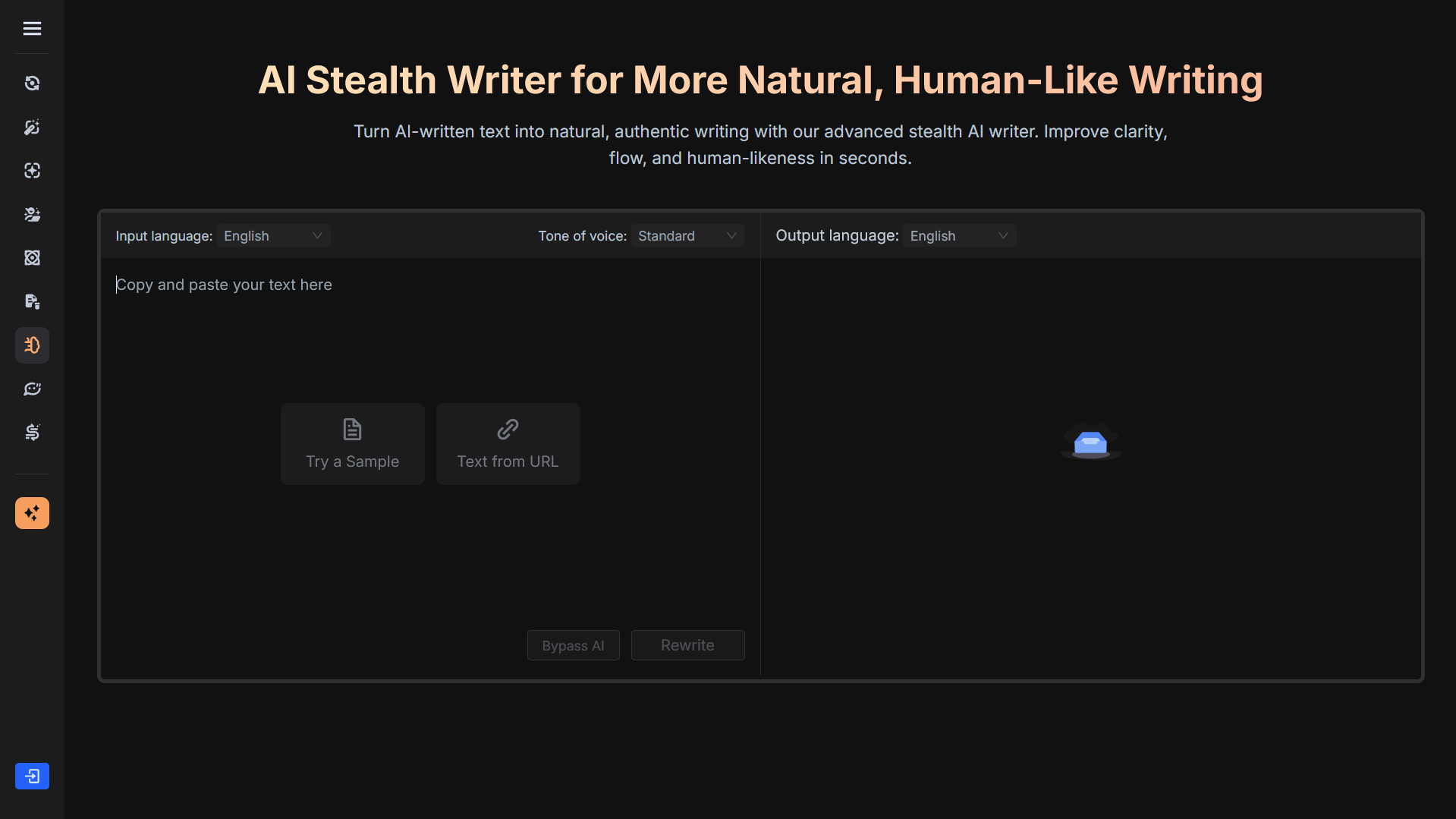
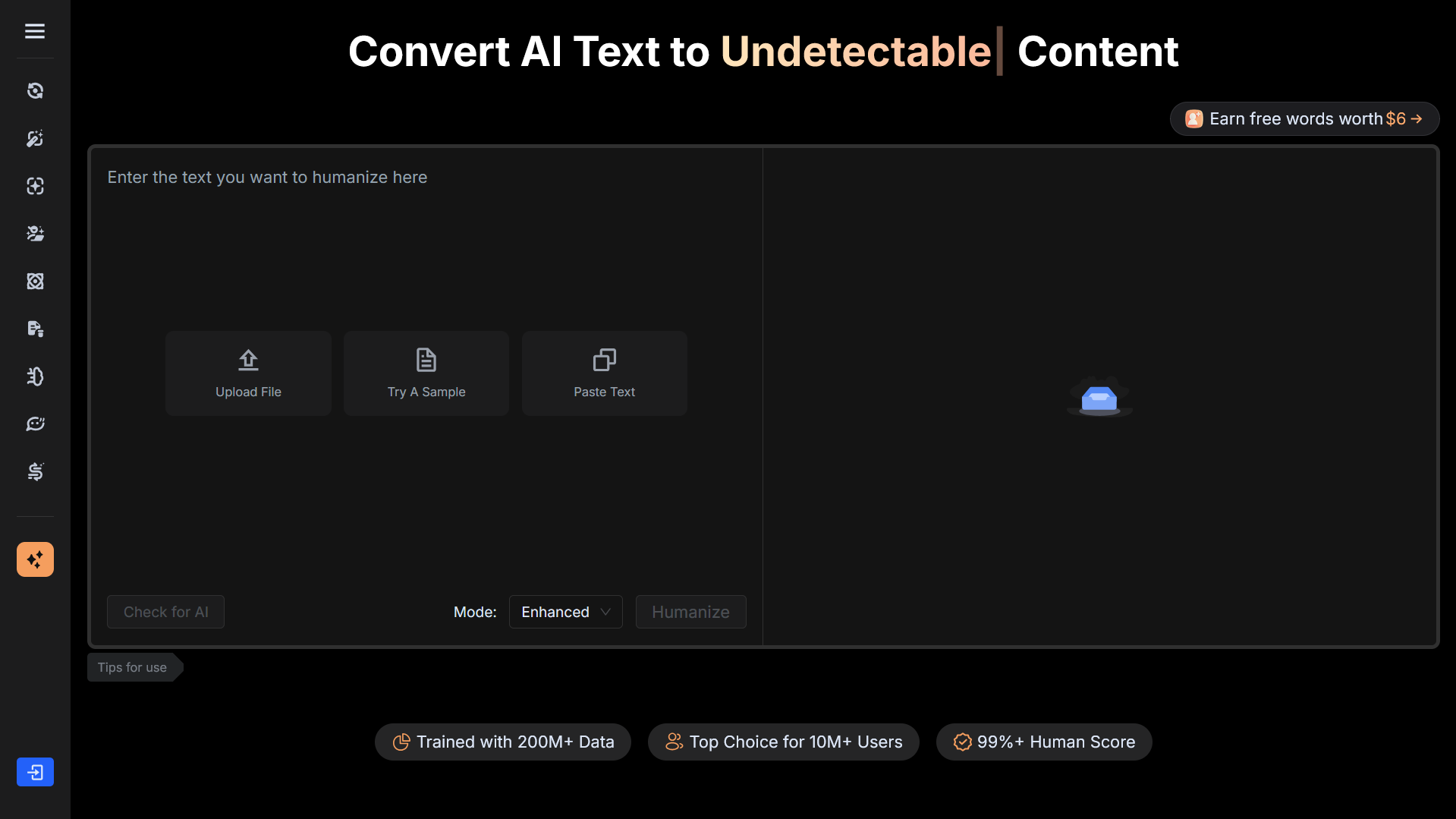
3. Text Optimization: Leveraging specialized rephrasing tools to eliminate stiff transitions. Incorporating an AI Stealth Writer into the editorial pipeline helps transform mechanical outlines into polished, publication-ready prose. Advanced tools like Undetectable AI-BypassGPT allow strategy teams to streamline their drafting process while ensuring the final whitepaper reads with genuine human authority and nuanced industry perspective.
Securing the Return on Gated Content
Gated lead generation succeeds only when the content delivers on the promise made by your landing page form. By combining the rapid research capabilities of modern technology with meticulous editorial refinement, B2B marketers can consistently produce high-impact gated assets - converting casual page visitors into loyal, long-term clients.
The Gate Itself Is Part of the Product
There is a version of gated content strategy that obsesses over what is inside the gate and almost completely ignores the gate itself. The whitepaper gets multiple rounds of editing. The form that unlocks it was built in twenty minutes using a default template and has not been reviewed since.
This is a structural mistake. The form is not a formality that sits between the prospect and the content. It is the first real test of whether your brand delivers what it promises. A senior buyer who has decided your whitepaper is worth their time will hit that form with a specific level of willingness to share their details. How much friction they encounter in that moment determines whether they complete it or quietly close the tab.
The threshold is lower than most marketers assume. A form that asks for eight fields when three would qualify the lead will bleed completions from exactly the audience you most want - experienced buyers who have filled out enough bad forms to recognize one immediately and have no patience for it.
What the Form Needs to Get Right
The mechanics of a high-converting gated content form are not complicated, but they require deliberate decisions rather than default settings.
Field count is the starting point. Every field beyond the minimum necessary to route the lead correctly adds abandonment risk. For most B2B gated content, name, work email, and company are enough to initiate a meaningful sales conversation. Job title and company size can be useful qualifying fields but should be weighed against the drop-off they introduce. Phone number at the gated content stage is almost always premature - it signals a level of commitment the prospect has not yet agreed to.
The language on and around the form matters more than most teams realize. The button copy that says "Submit" tells the prospect nothing about what happens next. "Get the Report" or "Send Me the Whitepaper" confirms the transaction in plain terms and reduces the hesitation that generic form language creates. The microcopy below the button - a single line about how the email will be used or how quickly the content arrives - addresses the most common unspoken objection at that exact moment.
Multi-step form structures work particularly well for gated content because they match the psychology of the moment. A prospect who has already decided the content is worth pursuing will answer a first question readily. Having answered it, they are more likely to complete the second step than they would have been to fill out all the same fields on a single page. Tools like LeadGen App are built specifically for this kind of progressive disclosure - letting demand generation teams design form flows that collect what they need without front-loading the commitment in a way that kills the conversion.
Closing the Loop Between Content Quality and Form Performance
The whitepaper and the form that gates it should be briefed and reviewed together, not separately. If the content positions the brand as a serious, senior-level resource for enterprise buyers, the form needs to match that positioning. A poorly designed form after premium content creates cognitive dissonance - the prospect's experience shifts from "this company clearly knows what they are talking about" to "why does this feel like every other lead gen form I have ever seen."
In case the form is consistent with the level of thinking contained in the gated content, the whole gated content experience is made meaningful. This brand has managed to get the attention of the senior buyer using its researched whitepaper, and then got his/her information using the neat and frictionless form. That is what turns a content investment into a repeatable pipeline asset rather than a traffic metric with no commercial outcome attached to it.
Conclusion
Gated content works when every part of the experience holds the same standard. The research must be genuine. Writing must reflect real expertise. And the form that captures the lead must be as carefully considered as the asset it protects.
AI has made it faster to produce research and the draft. That speed is only an advantage when the editorial process that follows it is rigorous enough to produce something a senior decision-maker would actually read past page two. A whitepaper that reads like a machine wrote it does not just fail to conver - it actively damages the brand perception the landing page worked to build.
The practical takeaway is simple. Treat the form as part of the content investment, not an afterthought to it. Match the field count to what the next conversation actually requires. Use the language on the form to confirm the transaction of the content promised. When the gate is as good as what is behind it, gated content stops being a lead capture tactic and starts being a genuine signal of what it is like to work with your company.
FAQs
Q1: Why do senior buyers of business-to-business (B2B) become disengaged with artificial intelligence (AI)-written white papers?
Senior buyers read a lot of industry content. They know the difference between perceived depth and actual depth. The white paper written by an AI will usually be well structured: problem, solution, framework, conclusion – but without specific pain points, arguments, and examples that someone who truly understands the category will use. When a CTO or procurement manager knows that the piece is less credible than even the fastest copy edit can make it.
Q2: How many fields should there be on your B2B gated content download form?
Three is a good start for most gated content forms: name, work email address, and company name. Each extra field must serve an important purpose beyond just filling out data; otherwise, it makes the form more difficult to complete without adding qualification benefit. If your sales reps can’t explain the business case for the specific field in question for a more effective initial call, you’re losing submissions because of it.
Q3: How does multi-step form design improve gated content conversion rates?
Multi-step forms work because they match how commitment actually builds. A prospect who answers one easy question is more invested in completing the next step than they would have been facing all the same questions on a single page. The first question lowers the entry cost. Each subsequent step benefits from the momentum already built. For gated content specifically, where the prospect has already demonstrated intent by reading the landing page, a well-structured multi-step form is one of the highest-leverage conversion improvements available.
Q4: What microcopy should appear near a gated content form submission button?
A single sentence that can take care of the primary unspoken worry at this stage. This could either be delivery assurance - "Your copy will be sent to you instantly via email" - or privacy assurance - "We don’t disclose any of your information to third parties." It all depends upon what is the most probable area of hesitation for your audience. Running these sentences through an actual test on your target audience may prove worthwhile because they can work wonders in increasing your conversion rate.
Q5: How should demand generation teams align whitepaper quality with form design?
Brief them together. The same document that defines the content's target audience, positioning, and depth of expertise should also inform how many form fields are appropriate, what the button copy says, and what the confirmation message communicates. When the content team and the demand generation team are working from the same brief, the form stops feeling like a separate tool and starts functioning as the final paragraph of the content experience - the one that converts reading into relationship.
About the Author