Optimizing Lead Capture for the "On-the-Go" CTO
Understanding the Challenges of an On-the-Go CTO
In today’s fast-paced business environment, Chief Technology Officers (CTOs) are constantly juggling multiple responsibilities. From overseeing technology strategies to managing IT teams and ensuring cybersecurity, their roles demand agility and responsiveness. For CTOs who are frequently on the move-attending meetings, conferences, or working remotely-the ability to capture and manage leads efficiently can be a game-changer.
Lead capture is a critical component of business growth, especially in technology-driven markets. However, traditional lead generation methods often fall short when it comes to accommodating the dynamic schedules of on-the-go CTOs. These professionals require solutions that not only provide real-time access to potential client information but also integrate seamlessly into their busy workflows without adding complexity or delays.
Optimizing lead capture for the on-the-go CTO means understanding these unique challenges and implementing tailored strategies and technologies that support mobility, security, and efficiency.
This approach enables CTOs to capitalize on every opportunity, even when they are away from their desks.
Why Mobility Matters in Lead Capture
The modern CTO rarely spends all day at a desk. According to a recent study, 70% of IT decision-makers use mobile devices to perform work tasks outside the office at least once a week. This trend underscores the necessity for lead capture solutions that are mobile-friendly and integrate effortlessly with the CTO’s existing tools.

Mobility in lead capture allows CTOs to respond promptly to new opportunities, whether during transit, at conferences, or between meetings. By enabling access to lead information on smartphones or tablets, CTOs can maintain momentum with prospects without waiting to return to their office. This immediacy can significantly improve conversion rates and build stronger client relationships.
Moreover, the cybersecurity landscape is a top priority for many CTOs, making partnerships with specialized firms essential. By collaborating with cybersecurity companies like iMedia, CTOs can enhance their security posture while ensuring lead capture tools are compliant with data protection standards. This integration not only safeguards sensitive client information but also builds trust with prospects who prioritize cybersecurity.
Leveraging Comprehensive IT Support for Lead Capture
An efficient lead capture system requires more than just technology; it demands robust IT support. Working with an Infotech: full-service IT company can provide CTOs with the technical backbone necessary to implement and maintain these solutions. Full-service IT companies offer tailored services that address the unique challenges of lead management, including CRM integration, automation, and data analytics.
Statistics show that companies using integrated IT services experience a 30% higher lead conversion rate due to streamlined workflows and better data management. For CTOs, this means less time spent on manual data entry and more focus on strategic decision-making. Additionally, reliable IT support ensures that lead capture systems remain operational and secure, minimizing downtime and data loss risks.
Key Features of Effective Lead Capture Tools for CTOs
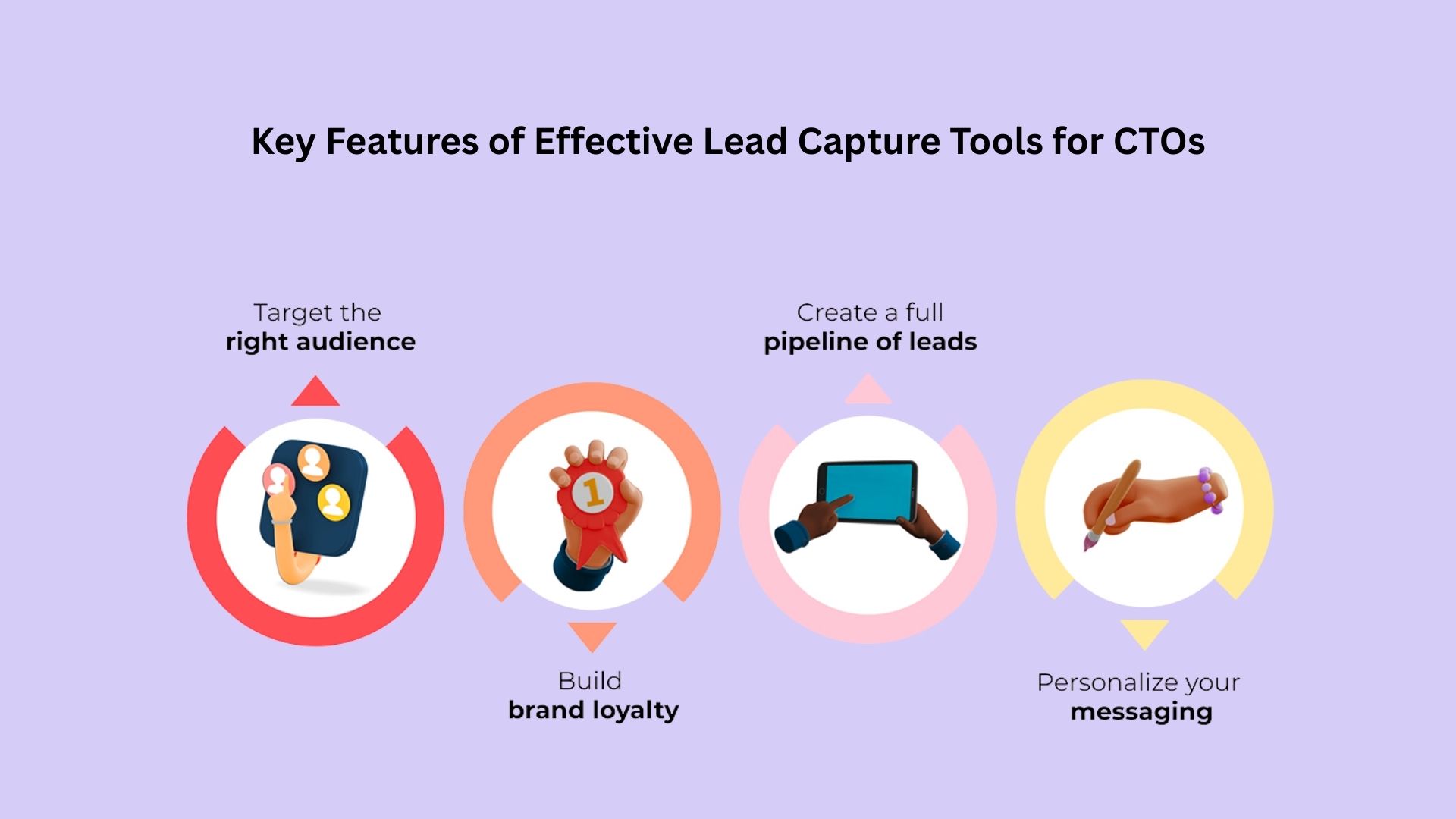
When selecting lead capture solutions, CTOs should consider several key features that support their mobile and high-demand lifestyles:
- Mobile Compatibility: Tools must be accessible via smartphones and tablets, allowing CTOs to capture and track leads anytime, anywhere.
- Real-Time Notifications: Immediate alerts about new leads enable swift follow-up, crucial for maintaining engagement.
- Security Compliance: Given the sensitivity of client data, lead capture platforms must adhere to stringent cybersecurity standards.
- Integration Capabilities: Seamless connection with existing CRM and communication tools prevents data silos and enhances productivity.
- Automation and AI: Automating routine tasks such as lead qualification frees up CTOs to prioritize high-value activities.
The inclusion of AI-driven features is particularly beneficial. For example, automated lead scoring can prioritize prospects based on behavior and engagement patterns, ensuring that CTOs focus their efforts where they matter most. This level of intelligence reduces wasted time and increases the likelihood of successful conversions.
Practical Strategies for On-the-Go Lead Capture
Optimizing lead capture for CTOs on the move involves both technology and process adjustments:
1. Adopt Cloud-Based Solutions: Cloud platforms enable access to lead data without the need for physical infrastructure. This flexibility suits CTOs who work from multiple locations and devices, supporting collaboration across teams.
2. Utilize Voice-to-Text Features: When typing is inconvenient such as during travel voice commands can facilitate quick note-taking and lead entry. This hands-free approach ensures no lead details are lost due to busy schedules.
3. Schedule Automatic Syncing: Ensuring that lead data updates across all devices reduces the risk of lost information and duplication. Synchronization maintains data integrity and provides CTOs with the most current insights.
4. Prioritize Lead Scoring: Implementing AI-driven lead scoring helps CTOs focus on the most promising prospects, saving time and effort. This targeted approach increases efficiency and optimizes resource allocation.
5. Leverage Secure Mobile Apps: Using apps designed with security and usability in mind allows CTOs to manage leads confidently from any location.
By combining these strategies, CTOs can transform lead capture from a cumbersome task into a streamlined, productive activity that fits seamlessly into their on-the-go routines.
Measuring Success in Lead Capture Optimization
To evaluate the effectiveness of lead capture strategies, CTOs should track key performance indicators (KPIs) such as lead response time, conversion rates, and data accuracy. Recent research indicates that businesses with optimized lead capture processes see a 20% increase in qualified leads within six months of implementation.

Another critical metric is the time to first contact. Studies reveal that companies responding to leads within an hour are seven times more likely to qualify the lead than those who wait longer. For the on-the-go CTO, leveraging mobile-enabled lead capture tools can significantly reduce response times and boost engagement.
Regular audits and feedback loops help identify bottlenecks and areas for improvement, ensuring that the lead capture system evolves alongside the CTO’s shifting priorities and company growth. Additionally, analyzing data trends can uncover new opportunities for automation and personalization, further enhancing lead management effectiveness.
Future Trends Impacting Lead Capture for CTOs
Emerging technologies like AI-powered chatbots and predictive analytics are set to revolutionize lead capture further. These tools can engage prospects proactively and provide CTOs with deeper insights into lead behavior, enabling more personalized and timely outreach.
Moreover, the rise of 5G technology promises faster, more reliable mobile connectivity, empowering CTOs to access and update lead information instantly, regardless of location. This advancement will further support the mobile-first approach essential for on-the-go professionals.
As remote work becomes more entrenched, the demand for fully mobile and secure lead capture solutions will intensify. CTOs who adopt these innovations early will gain a competitive edge in capturing and nurturing high-quality leads. Furthermore, integrating lead capture with broader digital ecosystems-such as marketing automation platforms and customer success tools-will create a more holistic approach to client engagement.
Conclusion
For on-the-go CTOs, optimizing lead capture is not merely about embracing new technology; it’s about integrating solutions that align with their dynamic roles and security priorities. By leveraging partnerships with and implementing strategic processes supported by CTOs, they can enhance lead management efficiency, drive business growth, and stay ahead in an increasingly competitive technology landscape.
Investing in adaptable and secure lead capture systems ensures that even the busiest CTOs never miss an opportunity to connect with potential clients, no matter where their demanding schedules take them. By focusing on mobility, security, and smart automation, CTOs can transform lead capture from a logistical challenge into a strategic advantage that fuels sustained success.
About the Author