The Tech Stack Behind High-Converting Landing Pages
A lead-generation landing page has one job: to turn a visitor into a lead.
Good design helps, and clear copy helps, but neither works without the technology behind the page. A high-converting landing page runs on a tech stack that connects the front-end visitors see with the backend systems that capture, store, and process lead data.
When these systems work together, a landing page becomes more than a marketing asset. It functions as a reliable engine for capturing and managing leads.
In the sections below, we’ll break down the tech stack that supports high-converting landing pages and explain how each layer contributes to performance and lead generation.
Why the right tech stack matters for lead generation
Many people think a landing page is just a marketing asset. In reality, it works more like a small application.
A modern landing page runs on a tech stack comprising tools, frameworks, and infrastructure. Each part supports a different task.
This is why landing pages often resemble software products. They rely on structured web development processes and multiple systems working together.
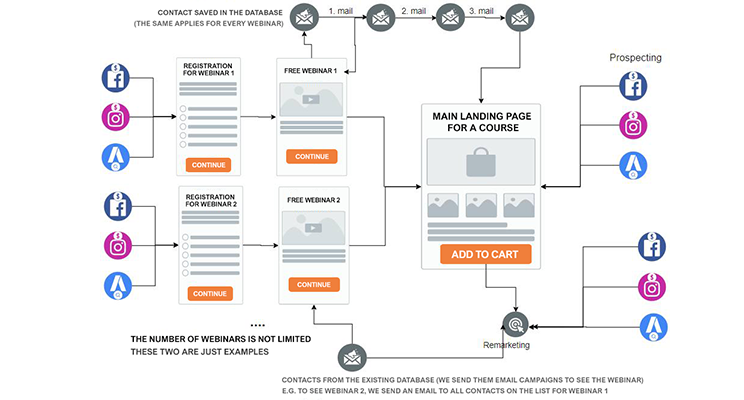
Developers choose a programming language and supporting tools that allow the page to connect with:
- Forms
- Analytics tools
- Customer databases
Without this structure, a landing page becomes fragile. Pages break under traffic spikes, form submissions fail, and lead data disappears.
Infrastructure directly impacts lead generation. According to research, a page that loads in 1 second converts 3 times better than one that takes 5 seconds to load.
This is why the tech stack behind a landing page is so important. Hosting performance, backend processing, and front-end code all affect how quickly visitors can interact with the page.
Core components of a high-converting landing page tech stack
Every high-performing landing page runs on a group of systems working together. These tools form the foundation of the tech stack supporting lead generation.
Systems that power lead capture and performance tracking
Most landing page environments rely on these basic systems:
- Landing page builders and CMS platforms: These tools control how you create and publish landing pages. Builders and content management systems allow you to design layouts, update copy, and launch pages quickly. They also manage templates and page structure, making it easy to maintain consistent designs across campaigns.
- Form and lead capture technology: Forms are where conversions happen. Lead capture tools collect visitor details and send them to the appropriate systems. Many platforms support features such as multi-step forms, field validation, and conditional logic to make the form easier to complete.
- Customer relationship management (CRM) integration: After a visitor submits a form, the data moves into a CRM. This integration lets you store lead information, assign contacts to the right sales rep, and track follow-up activity without manual effort.
- Analytics and conversion tracking: Analytics tools help you understand how visitors interact with the page. They track traffic sources, form submissions, and conversion rates. This data reveals which campaigns drive leads and where improvements may be needed.
- Personalization and dynamic content tools: Some landing pages adjust their messaging depending on the visitor. Personalization tools allow headlines, offers, or calls to action to change based on audience segments or traffic sources.
- A/B testing and optimization platforms: Testing tools allow marketers to compare different versions of a landing page. By experimenting with variations in headlines, layout, or form structure, you can see which changes produce more leads and refine the page over time.
Reliability, page speed, and analytics tend to drive conversion results more directly than advanced features. Shaky infrastructure means even a well-designed landing page loses conversions and produces unreliable data. Personalization and A/B testing show clearer returns once those foundations are in place.
Front-end design in conversions
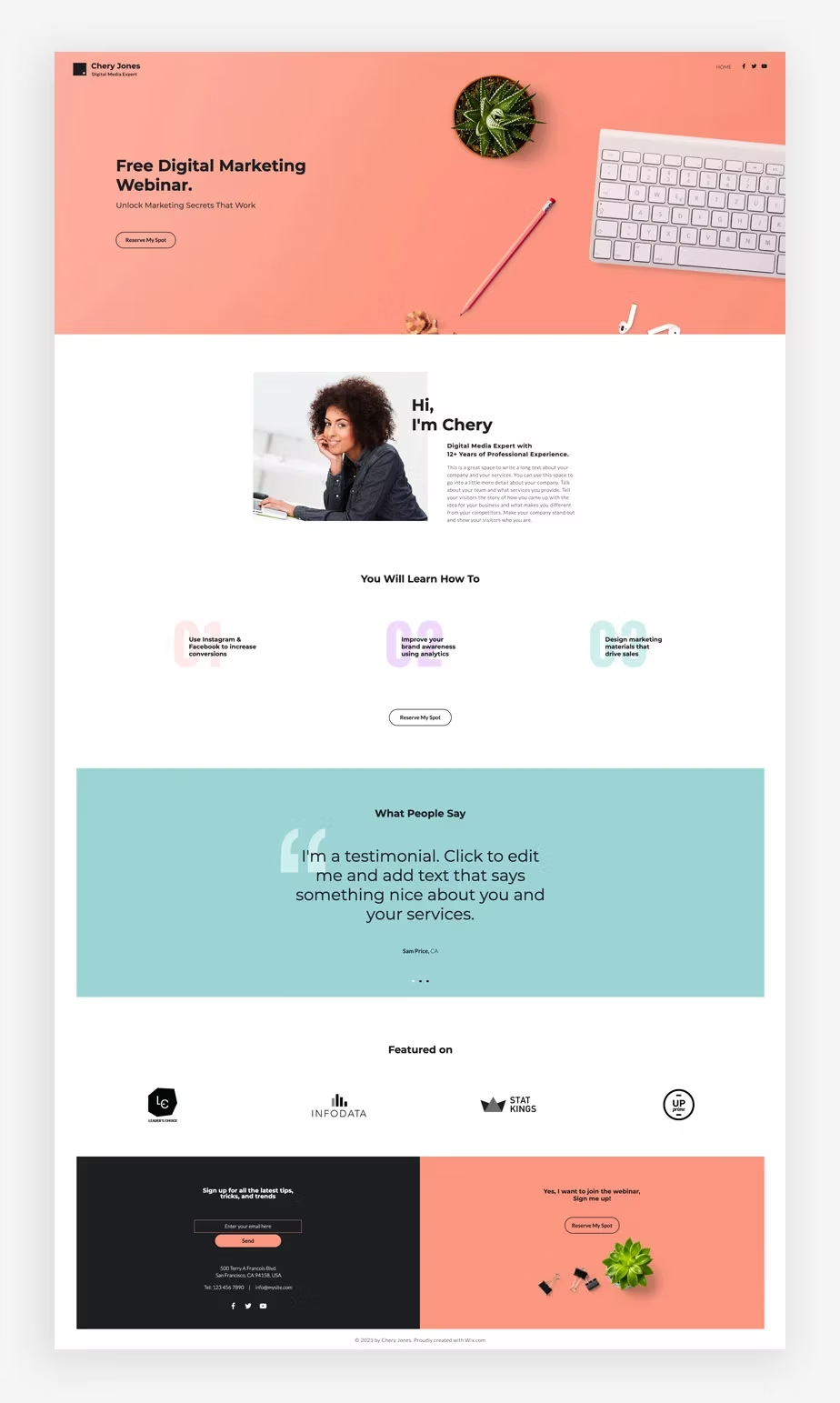
The next layer covers the technical systems that power high-converting landing pages.
The visible layer of a landing page shapes how visitors interact with it. This layer includes the user interface, which controls layout, buttons, forms, and navigation.
It also includes the user experience, which determines how easy the page is to understand and use.Visitors should be able to move through a page seamlessly, without confusion. Headlines should clearly explain the offer. Forms appear at the right moment. Visual cues guide the visitor toward the next step.
Developers build this layer on the application's front end. Many teams use frameworks like React to create interactive elements and responsive layouts.
A well-designed interface looks attractive and also reduces friction. When the experience feels simple and predictable, visitors are more willing to submit their information.
Backend systems that capture and process leads
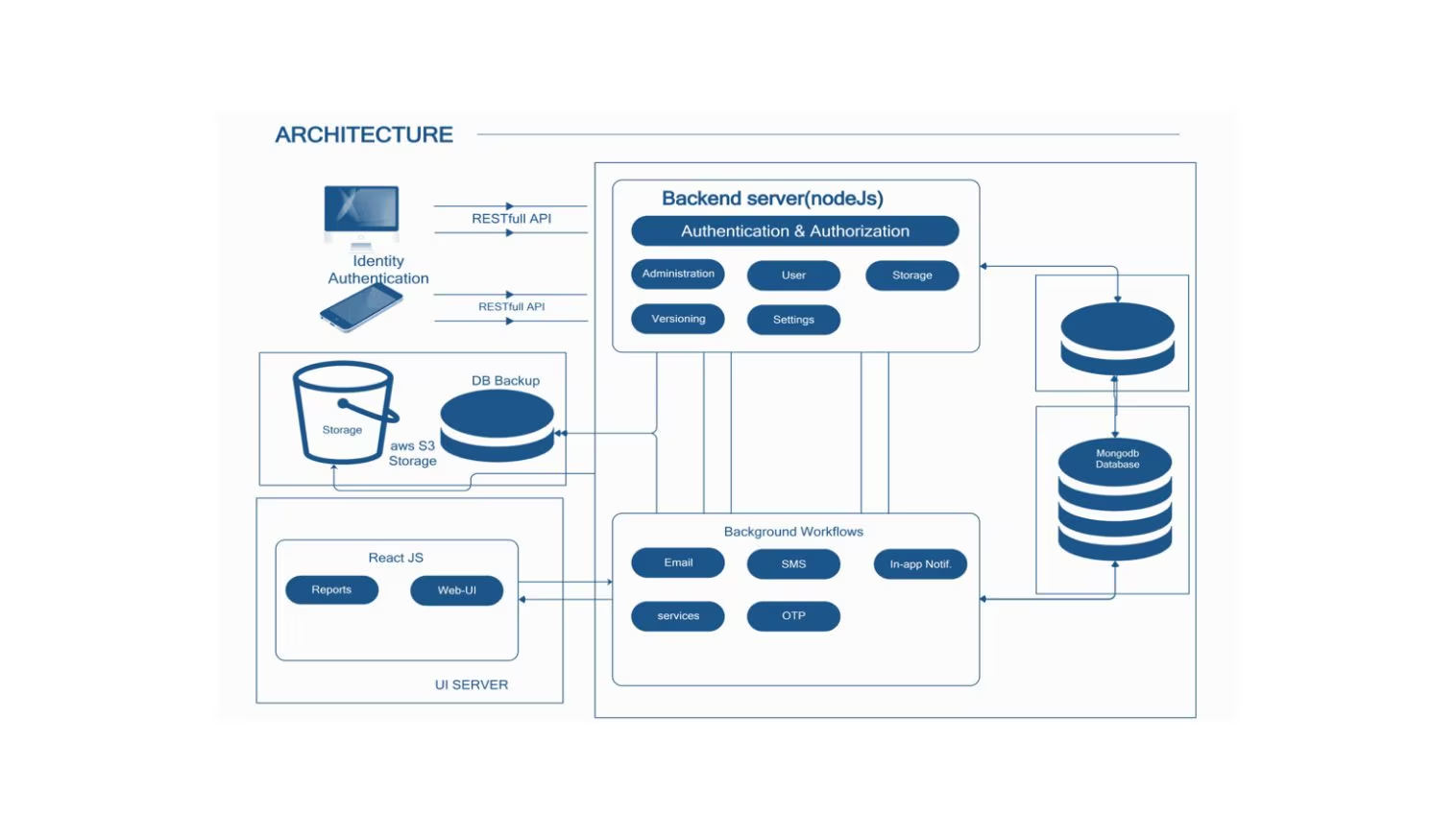
Once a visitor submits a form, another layer takes over. This layer relies on backend technologies that store, process, and route incoming leads. These systems ensure each submission reaches the correct marketing or sales platform.
The process begins with back-end development, where engineers create services that accept form data and validate user input. In many cases, these services run inside a microservices backend architecture that separates lead capture from other application functions.
Once validated, the data moves into storage systems, such as SQL Server, where it becomes part of your company’s lead database.
This infrastructure operates quietly in the background. But without it, the landing page would have no way to capture or organize incoming inquiries.
Web frameworks that power modern landing pages
Behind the scenes, landing pages often rely on established web frameworks.
Frameworks simplify the process of connecting the front end with backend services. They provide tools for routing requests, validating data, and managing sessions.
Many companies use well-known frameworks such as the Ruby on Rails stack, which allows developers to build web applications quickly.
Others prefer the Django stack, which is widely used for data-driven applications. Enterprise organizations may rely on the Spring stack to support large-scale systems.
Each framework provides a structure that helps developers manage complex applications. When used correctly, they allow landing pages to scale without breaking under heavy traffic.
Hosting and infrastructure that keep pages fast
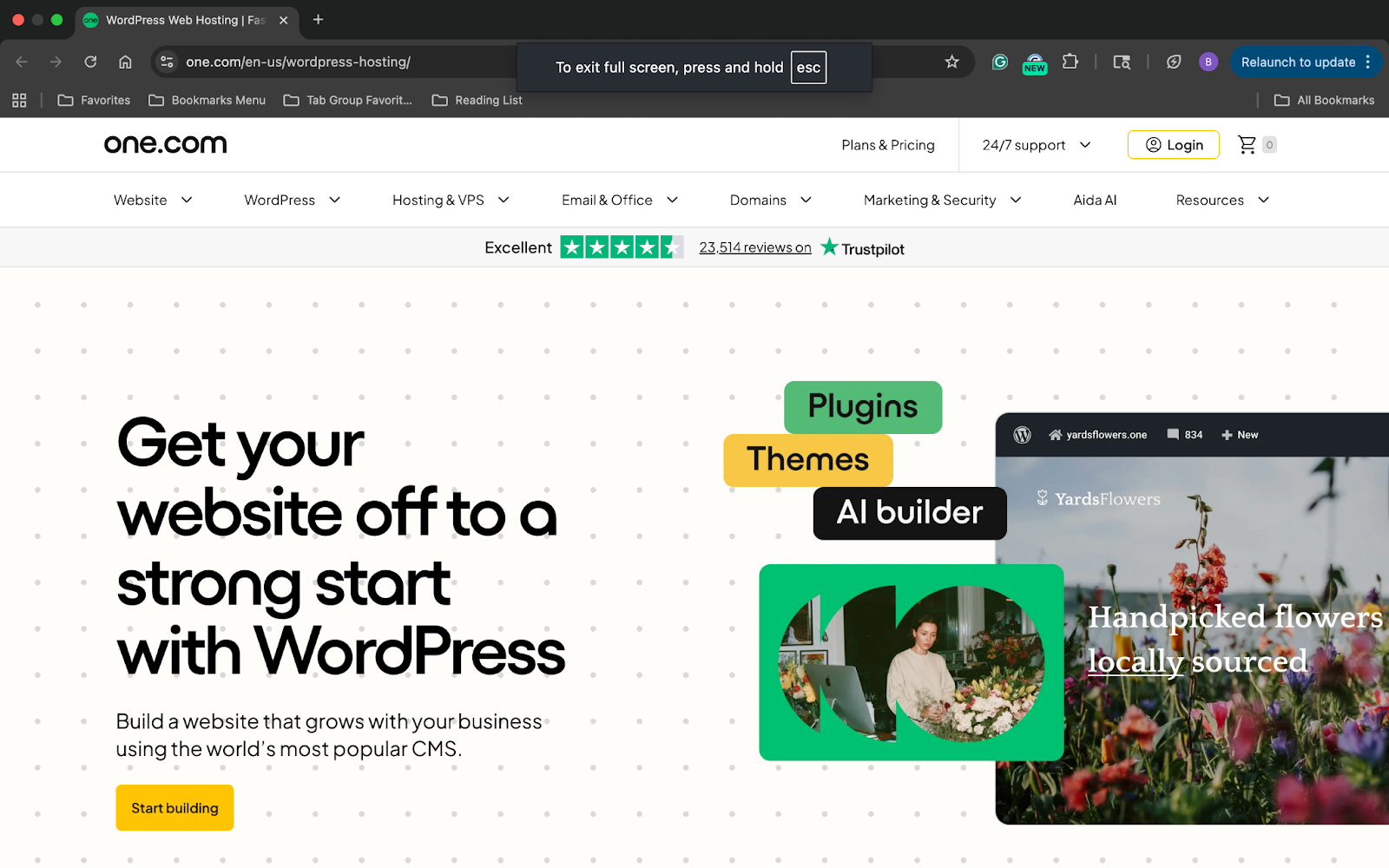
A high-converting lead generation landing page isn’t just about persuasive copy and sharp UX; it’s powered by infrastructure that keeps load times instant and uptime flawless.
That’s where reliable WordPress website hosting becomes a conversion lever, giving marketers the speed, security, and scalability needed to run A/B tests, integrate CRMs, and capture leads without friction or drop-offs.
Data engineering and lead tracking
Capturing a lead is only the first step. The data must move through several systems before it becomes useful.
This is where data engineering comes into play. Engineers design pipelines that move lead information from landing pages into analytics tools and marketing platforms.
In many cases, the landing page functions as part of a larger web application ecosystem. Analytics tools track visitor behavior, campaign performance, and conversion rates.
These insights help marketing teams understand how visitors interact with the page. Over time, the data reveals which headlines, forms, and layouts produce the most leads.
Personalization technology and conversion optimization
Not every visitor arrives with the same intent.
Some visitors are early researchers, while others are decision-makers ready to evaluate a solution. Landing pages perform better when they adapt messaging to match visitor roles.
This type of targeting often connects to broader product strategy decisions. Companies design content and offers that address specific industry concerns.
Let’s look at an example.
When a landing page is trying to convert enterprise security buyers, the messaging has to actually speak their language. CISOs aren't going to fill out a demo request form because of vague promises about "robust solutions" or "end-to-end protection."
They respond to content that maps to what they're already dealing with day-to-day. Resources like a CISO Roadmap tend to perform well as gated assets precisely because they address real strategic concerns, things like proving security program effectiveness to a board or keeping up with a threat landscape that doesn't slow down.
That kind of relevance is what gets the form filled out. On the tech stack side, this is where personalization tools earn their place. Being able to detect whether a visitor is likely a senior security leader or a junior analyst, and then adjusting the page copy accordingly, makes a noticeable difference in conversion rates.
The headline that lands for a CISO is usually not the same one that works for someone earlier in the buying process, and a static page treats both visitors exactly the same way.
Interactive quote systems that capture high-intent leads
For luxury or specialized travel services, the primary function of technology is to instantly build trust. A landing page isn't just a collection of images; it's a high-performance engine designed to convert researchers into qualified leads.
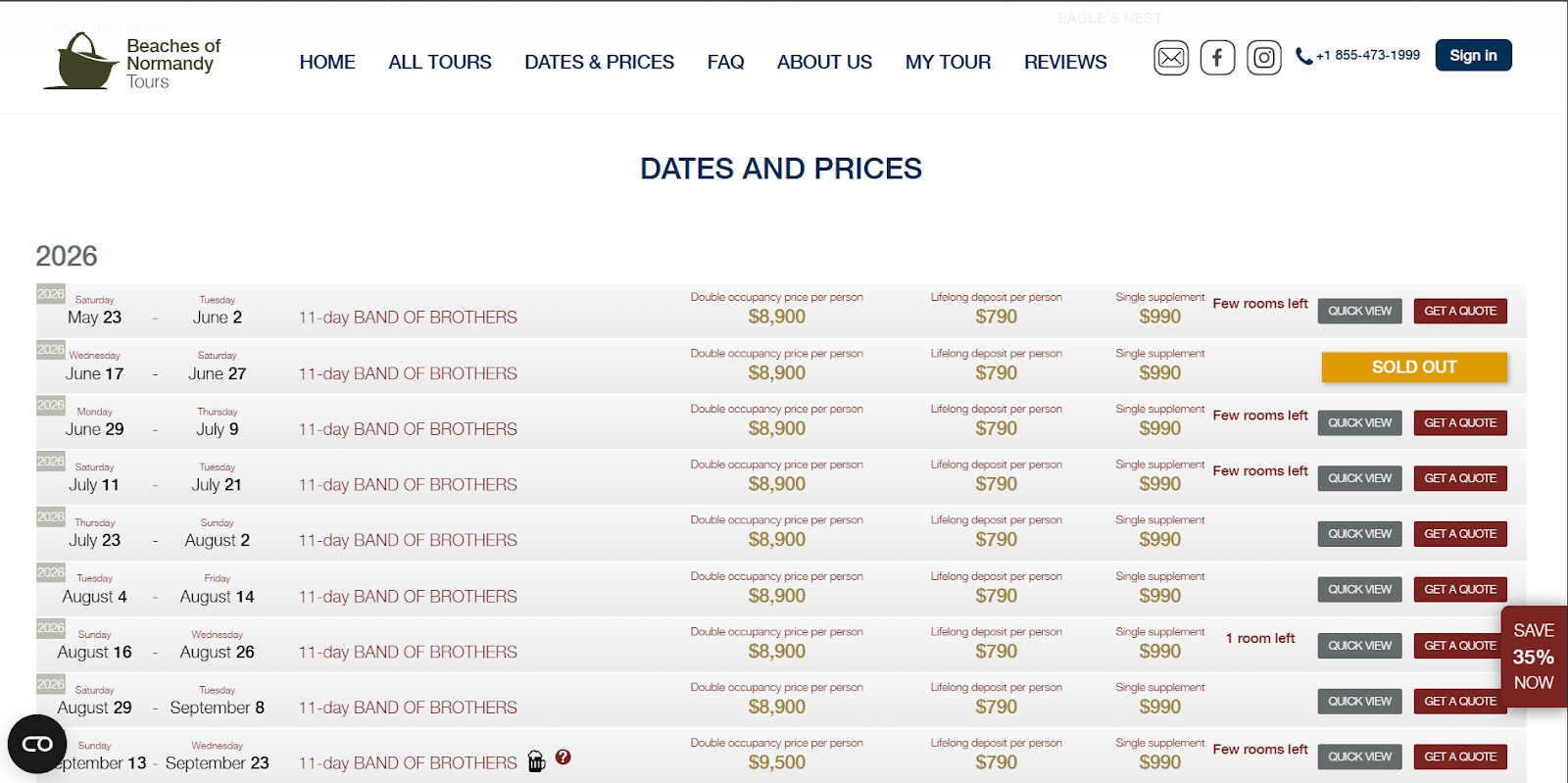
Take Beaches of Normandy Tours, for example. On their Band of Brothers Tour landing page, they use a sophisticated platform to manage the complexity of an 11-day itinerary.
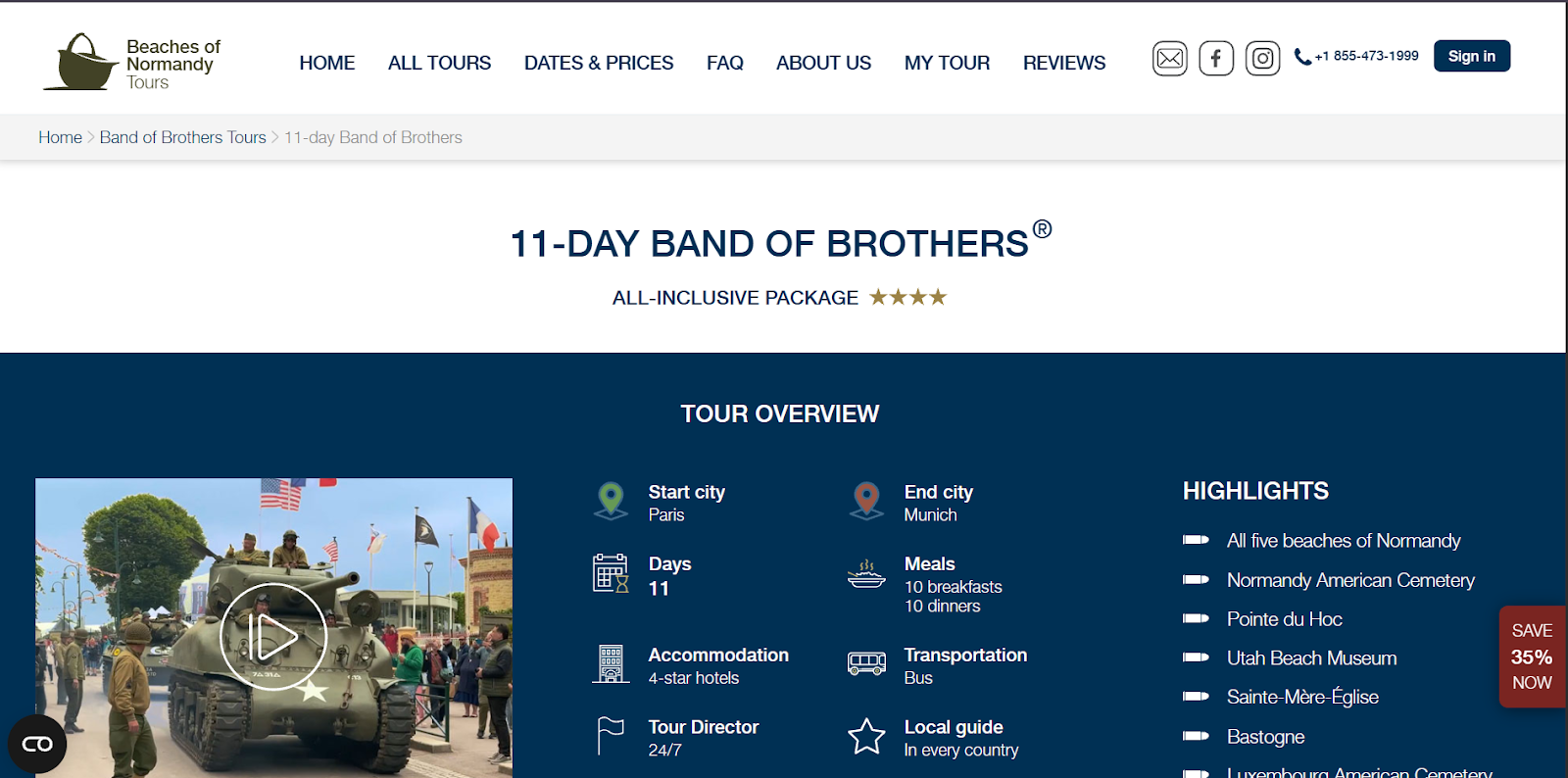
To generate high-converting leads, they don't just request an email address; they also offer a "Request a Quote" engine that allows users to view real-time availability and pricing for specific dates.
Final thoughts
A landing page acts as the entry point for new leads and the starting point of many customer relationships.
An underlying tech stack that works smoothly allows visitors to move through the page without friction.
The key is to treat your landing pages as systems you can refine and improve. Test new layouts, adjust form structure, and review analytics regularly to see what works best for your audience.
LeadGen App makes it easy to create high-performing lead-capture forms without a complicated setup. You can start with ready-made templates, customize them to match your campaign, and launch new forms in minutes.
Explore the platform to build cleaner forms, simplify data collection, and turn more visitors into leads.
About the Author