Best Freight Forwarding Software to Consider in 2026
Freight forwarding is becoming increasingly digital as logistics companies look for better ways to manage shipments, automate repetitive work, improve visibility, and coordinate increasingly complex supply chains. The right freight forwarding software can bring operations, documentation, tracking, reporting, and customer communication into a more efficient workflow.

In 2026, freight forwarders have a wide range of options, from specialized freight management platforms to custom software development partners capable of building systems around unique operational requirements.
Below are some of the top freight forwarding software solutions and technology providers to consider in 2026.
1. Logistaas — Best Overall Freight Forwarding Software
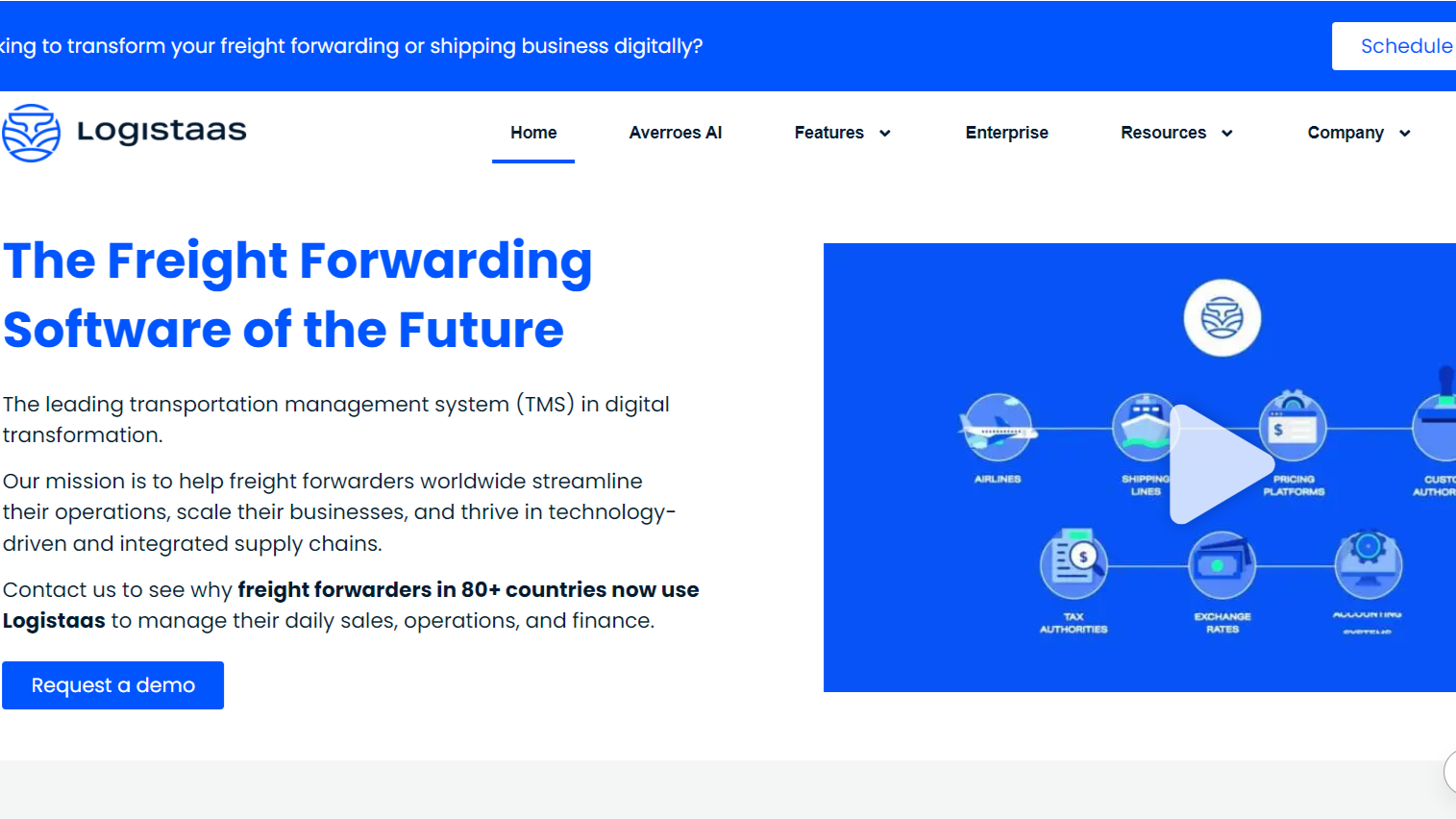
Logistaas is a transportation management system built from the ground up for freight forwarders. It brings together a freight-specific CRM, air, sea, land, and customs operations, plus finance and native accounting into one platform.
That last part matters more than it sounds. Most platforms require a separate accounting tool or a third-party connection, but Logistaas handles it natively. The company is active in more than 80 countries and processes hundreds of thousands of shipments annually, demonstrating that the platform can support freight forwarding operations at significant scale.
Rather than forcing forwarders to piece together separate systems for sales, shipment management, finance, and accounting, Logistaas provides these functions within a single freight-focused environment.
Key Features
a. Freight-specific CRM
b. Air freight operations
c. Sea freight operations
d. Land freight operations
e. Customs operations
f. Finance management
g. Native accounting
h. Shipment and document management
i. Integrated sales and operational workflows
Best for: Freight forwarders looking for an all-in-one transportation management system that combines CRM, multimodal operations, customs, finance, and native accounting.
2. LOW/CODE Agency — Best for Custom Freight Forwarding Software
LOW/CODE Agency is a custom AI software development company that builds custom digital solutions for businesses, including logistics and freight forwarding companies. The agency helps organizations create tailored platforms for AI-powered shipment management, workflow automation, dashboards, and operational tools.
For freight businesses, LOW/CODE Agency focuses on improving efficiency, reducing manual processes, and creating software that matches unique supply chain workflows. Its services combine product strategy, UX design, development, and AI integration to deliver scalable web and mobile applications faster than traditional development methods.

Key Features
a. Custom freight and logistics software development
b. Shipment tracking and management platforms
c. Workflow automation tools
d. Real-time dashboards and reporting
e. AI-powered business solutions
3. Logipulse — Best for Small-to-Mid Freight Forwarders and 3PLs
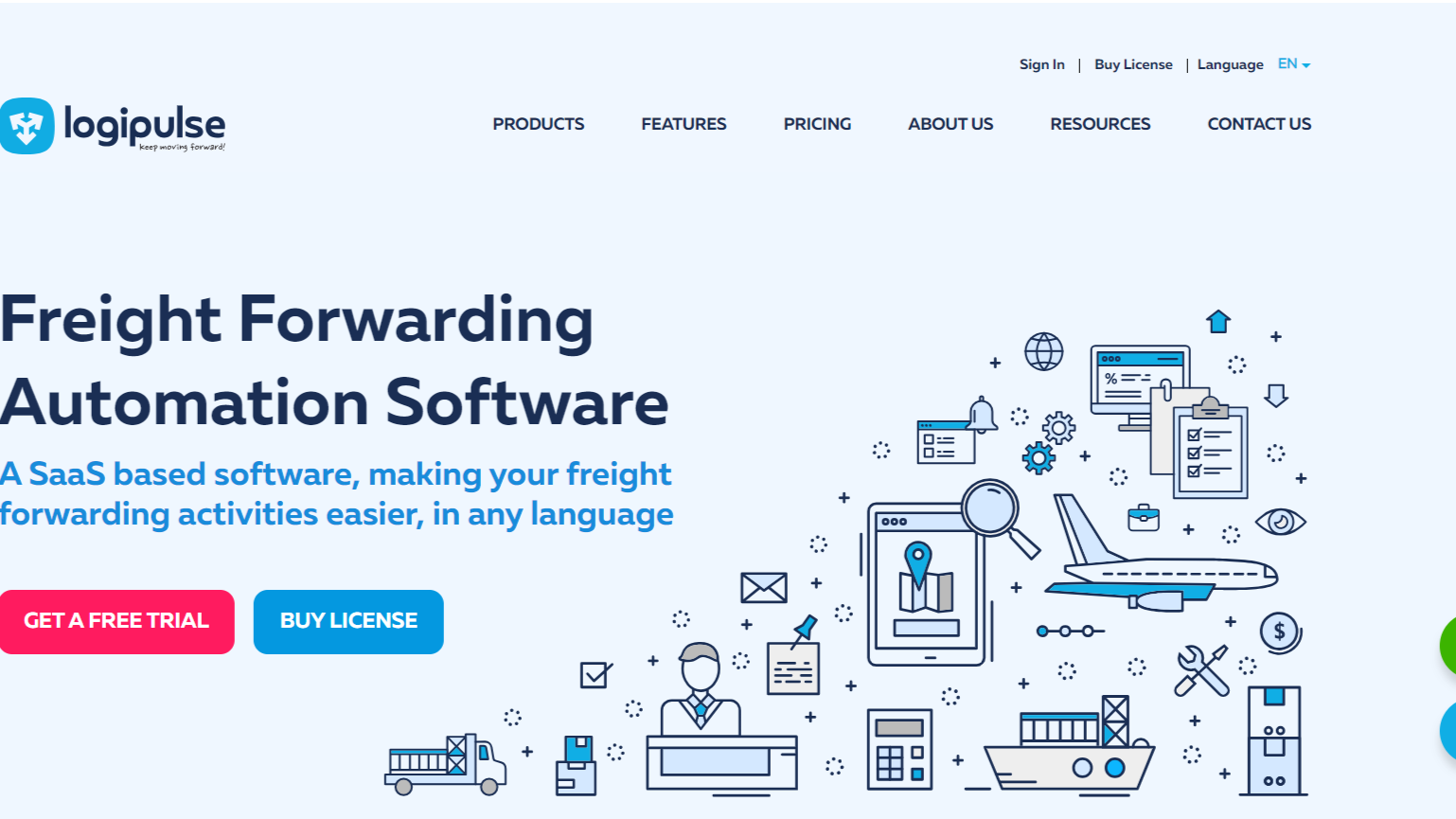
Logipulse is a freight forwarding and logistics management solution aimed at helping forwarding companies and third-party logistics providers organize their operations through a centralized platform.
For small and mid-sized businesses, having shipment information, operational processes, financial functions, and customer-related data in one environment can reduce reliance on separate systems and manual administration.
Key Features
a. Freight forwarding management
b. Shipment tracking
c. Customer and vendor management
d. Quotation and rate management
e. Documentation workflows
f. Accounting and invoicing
g. Reporting and operational visibility
Best for: Small-to-mid freight forwarders and 3PLs that want an integrated platform for managing core forwarding processes.
4. Riege — Best for International Freight Forwarding and Transport Management
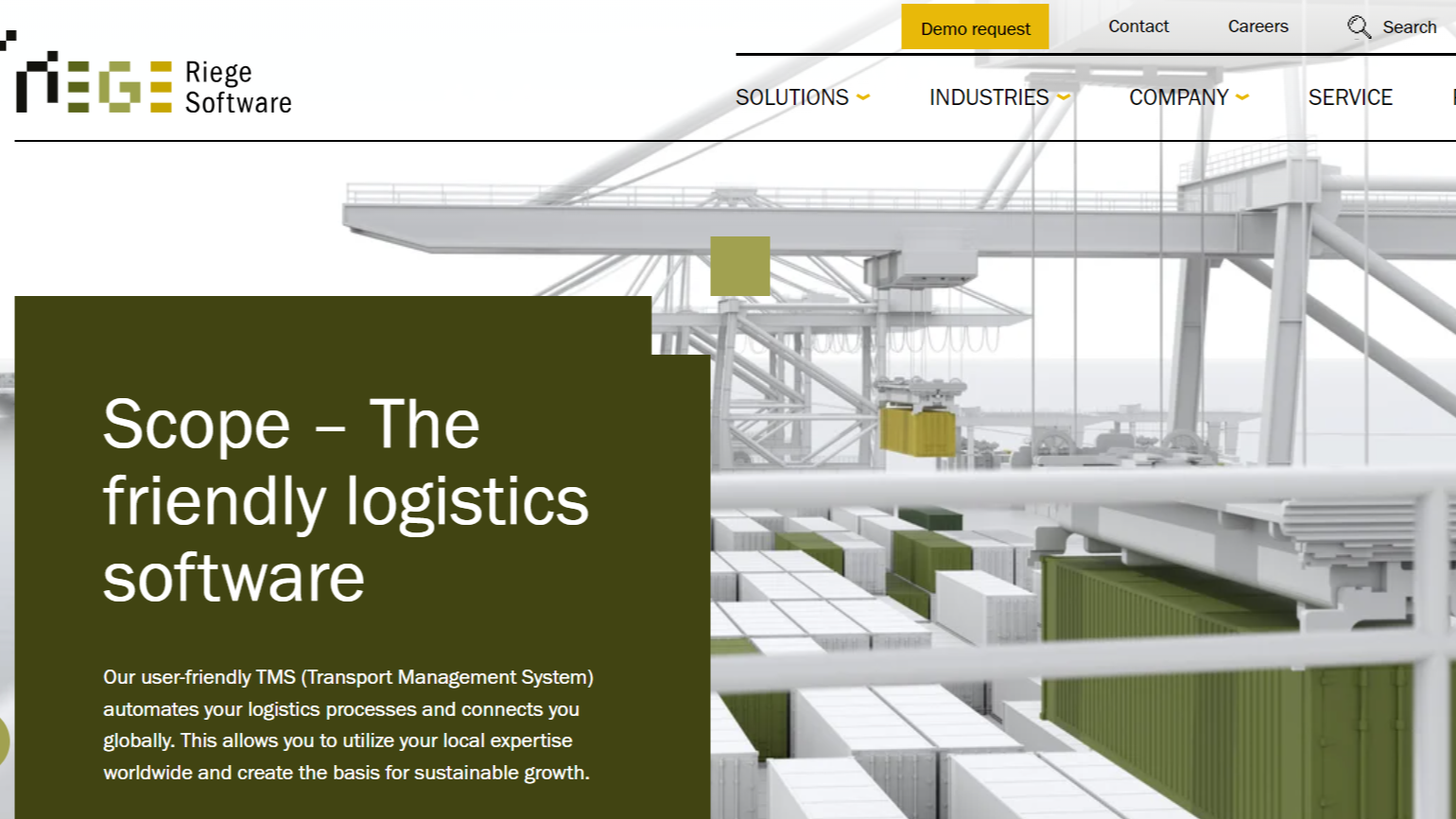
Riege is a logistics software provider known for Scope, its transportation management platform for freight forwarding and logistics businesses. It is particularly relevant to companies managing international transportation operations and complex forwarding workflows.
The platform supports processes across air freight, ocean freight, and other transportation activities while connecting operational and financial functions. This makes it a strong option for forwarders that need structured workflows across international logistics networks.
Key Features
a. Air freight management
b. Ocean freight management
c. Transportation management
d. Shipment processing and tracking
e. Customs-related workflows
f. Financial management
g. Reporting and analytics
h. Integration capabilities
Best for: International freight forwarders that need a comprehensive transportation management environment for complex logistics operations.
5. Magaya — Best for Mid-Market Freight Forwarding and Logistics Operations
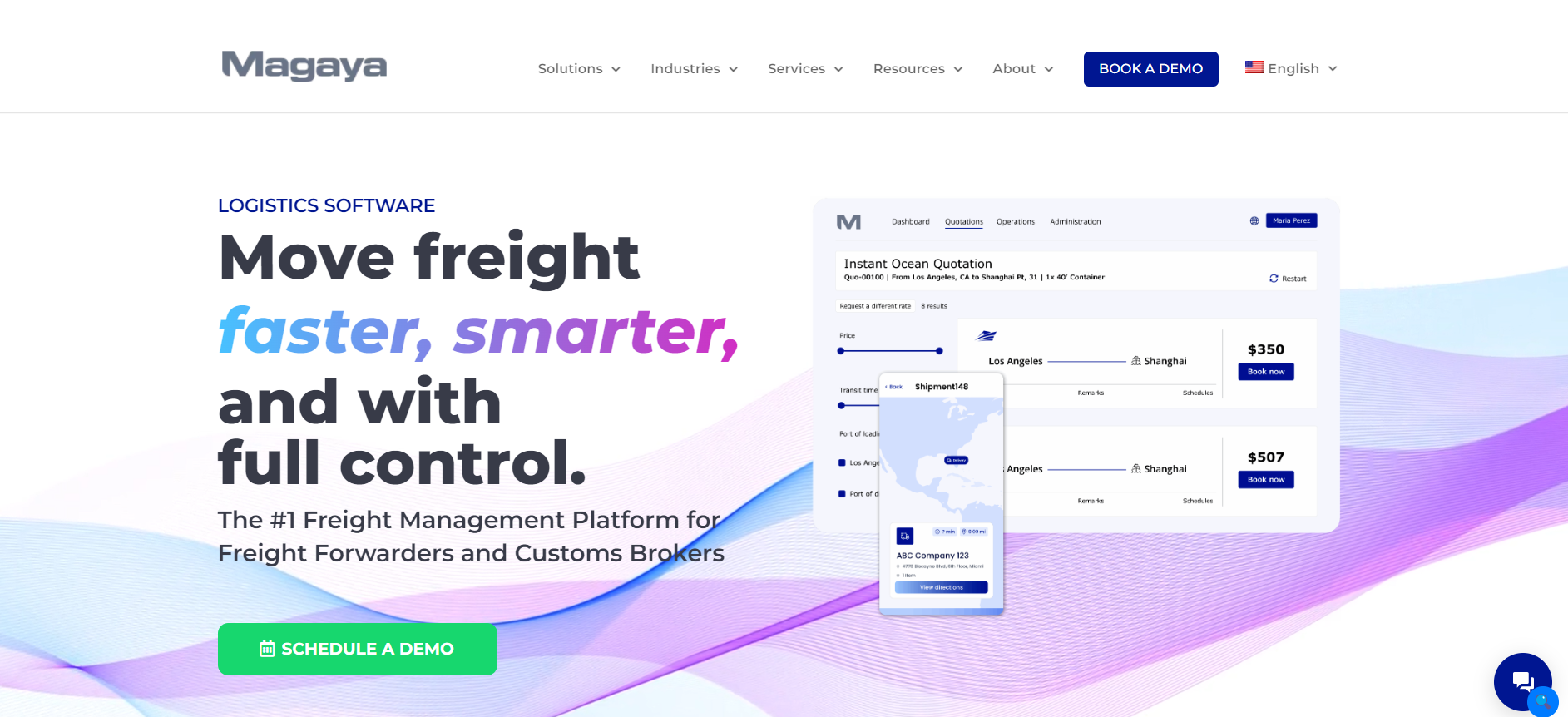
Magaya provides logistics and supply chain software designed to support freight forwarding, warehousing, customs, and related logistics activities.
Its broader logistics capabilities make it particularly relevant for mid-market businesses whose requirements extend beyond straightforward freight forwarding. Companies can use the platform to connect shipment operations with inventory, warehousing, accounting, and other parts of their logistics workflows.
Key Features
a. Freight forwarding management
b. Shipment tracking and visibility
c. Warehouse management
d. Inventory management
e. Accounting capabilities
f. Customs-related tools
g. Customer-facing functionality
h. Reporting and analytics
Best for: Mid-market freight forwarders and logistics companies looking to manage forwarding alongside broader supply chain operations.
6. Shipthis — Best for Freight Forwarding and Logistics Operations Management
Shipthis is a freight forwarding software platform designed to centralize and automate logistics operations. It provides tools for managing forwarding workflows, shipments, customer relationships, financial processes, and related operational tasks.
Its focus on freight forwarding makes it suitable for companies looking to digitize everyday logistics processes rather than maintain multiple disconnected operational tools.
Key Features
a. Freight forwarding management
b. Shipment management and tracking
c. Quotation management
d. CRM capabilities
e. Documentation management
f. Invoicing and financial workflows
g. Customer portal capabilities
h. Reporting and analytics
Best for: Freight forwarding and logistics businesses seeking a centralized platform for managing everyday operations.
How to Choose Freight Forwarding Software in 2026
Choosing freight forwarding software should start with the workflows the business actually needs to improve. A small forwarder may prioritize ease of implementation, shipment management, quotations, and invoicing, while an international operation may require sophisticated multimodal transportation workflows, integrations, customs capabilities, and financial controls.

Scalability is another important consideration. Freight companies should consider whether a platform can accommodate increasing shipment volumes, additional offices, new transportation modes, and integrations with customers, carriers, accounting systems, and other logistics technology.
Automation and visibility are also becoming increasingly important. Software that reduces repetitive data entry, centralizes shipment information, and provides useful operational dashboards can help teams spend less time on administration and more time managing exceptions and customer relationships.
Finally, companies should decide whether an off-the-shelf freight forwarding platform or a custom solution makes more sense. Established platforms such as Logistaas, Logipulse, Riege, Magaya, and Shipthis can provide substantial functionality out of the box. Businesses with highly specialized processes may instead benefit from working with a development partner such as LOW/CODE Agency to build software around their specific requirements.
Top Freight Forwarding Software: Quick Comparison
| Solution | Best For |
| Logistaas | Best overall freight forwarding software |
| LOW/CODE Agency | Best for custom freight forwarding software |
| Logipulse | Best for small-to-mid freight forwarders and 3PLs |
| Riege | Best for international freight forwarding and transport management |
| Magaya | Best for mid-market freight forwarding and logistics operations |
| Shipthis | Best for freight forwarding and logistics operations management |
Final Thoughts
The best freight forwarding software in 2026 depends on a company's size, transportation modes, operational complexity, and technology strategy.
Logistaas takes the first position because of its freight-specific approach and ability to bring CRM, air, sea, land, customs, finance, and native accounting into one system. This makes it particularly compelling for growing freight forwarders that want to eliminate fragmented software stacks.
Logipulse can be a good fit for smaller and mid-sized forwarders and 3PLs, while Riege is particularly relevant for international forwarding and transportation management. Magaya provides broader functionality for mid-market logistics organizations, and Shipthis offers another option for businesses looking to centralize freight forwarding operations.
For companies whose workflows cannot be adequately served by standard platforms, LOW/CODE Agency provides a different approach: building custom logistics and freight forwarding software around the organization's processes, automation requirements, and business goals.
Ultimately, companies should compare solutions based not simply on the number of features available, but on how effectively each option fits their actual workflows, integrates operations and financial processes, and can support the business as it grows.
About the Author