Top Free Lead Generation Platforms for Sales and Marketing Teams
Lead generation is the lifeblood of modern sales, but the tools don't have to drain your budget. The right platform can capture, qualify, and nurture prospects without requiring a credit card upfront. Whether you're bootstrapping a startup, testing new campaigns, or scaling beyond your current toolkit, free lead generation tools have come a long way.
This guide breaks down the seven most effective free tools on the market today. Each one solves a specific problem in the lead generation funnel, from initial capture to qualification and integration.
Key Takeaways
a. Free lead gen tools can rival paid platforms when they focus on core features like form building, qualification, and CRM integration
b. The best tools offer generous free plans that scale with you, not ones that cap responses once campaigns gain traction
c. Automation, smart logic, and personalization are no longer premium features; expect them in solid free offerings
d. Native integrations with popular CRMs save you time and ensure leads flow directly into your sales process without manual work
e. Choosing the right combination of free tools can eliminate the need for expensive suites if you're strategic about which problems each tool solves
1. Weavely: AI-Powered Lead Capture and Qualification Combined
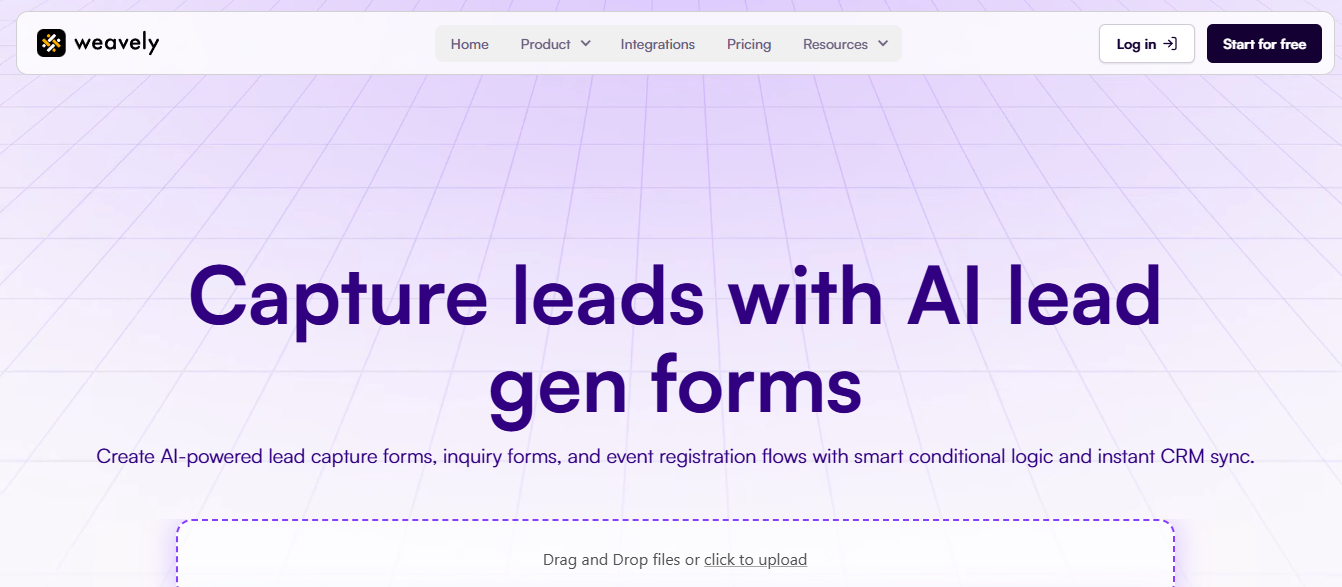
Weavely represents a new generation of lead generation tools built specifically for qualification. The AI form builder generates fully designed, ready-to-share forms in seconds based on plain text descriptions or uploaded documents. Instead of choosing templates or dragging widgets, you describe what kind of lead gen form you need, and it builds itself instantly.
The standout feature is Weavely's dual-purpose quiz system designed specifically for qualification. The match quiz turns simple questions into personalized product recommendations, qualifying leads while engaging them naturally. The lead qualification quiz auto-scores respondents into ready-to-buy, needs-nurturing, or skip categories automatically, preventing wasted conversations before they start.
Smart logic adapts forms in real time based on previous answers, filtering unqualified leads instantly as respondents answer questions. Unqualified prospects get filtered before they ever reach your sales team, saving enormous amounts of wasted sales effort. This qualification happens immediately during the form completion, preventing unqualified leads from ever contacting sales.
Native CRM integrations send qualified leads directly to Salesforce, HubSpot, Pipedrive, Segmetrics, and Notion without manual work. Beyond native integrations, 1,000+ apps integrate via Zapier or Make. Built-in conversion tracking connects Google Tag Manager, Google Analytics, and Meta Pixel directly in form settings for accurate paid campaign attribution without extra dev work.
The free plan is genuinely generous in today's market, and this is a real differentiator. You get unlimited forms and unlimited responses with no artificial caps that trigger when campaigns work. Most lead generation tools limit response quantities on free tiers, making scaling difficult exactly when campaigns gain traction. Weavely removes this limitation entirely, serving both established businesses and growing startups equally well.
The single paid tier costs 20 euros per month, which removes branding and adds custom domain and multi-language support. For teams wanting professional branding or international reach, this upgrade costs virtually nothing. Either way, you get the core qualification power that prevents wasted conversations and improves overall lead quality dramatically.
2. Form.io: The Developer-Friendly Form Builder
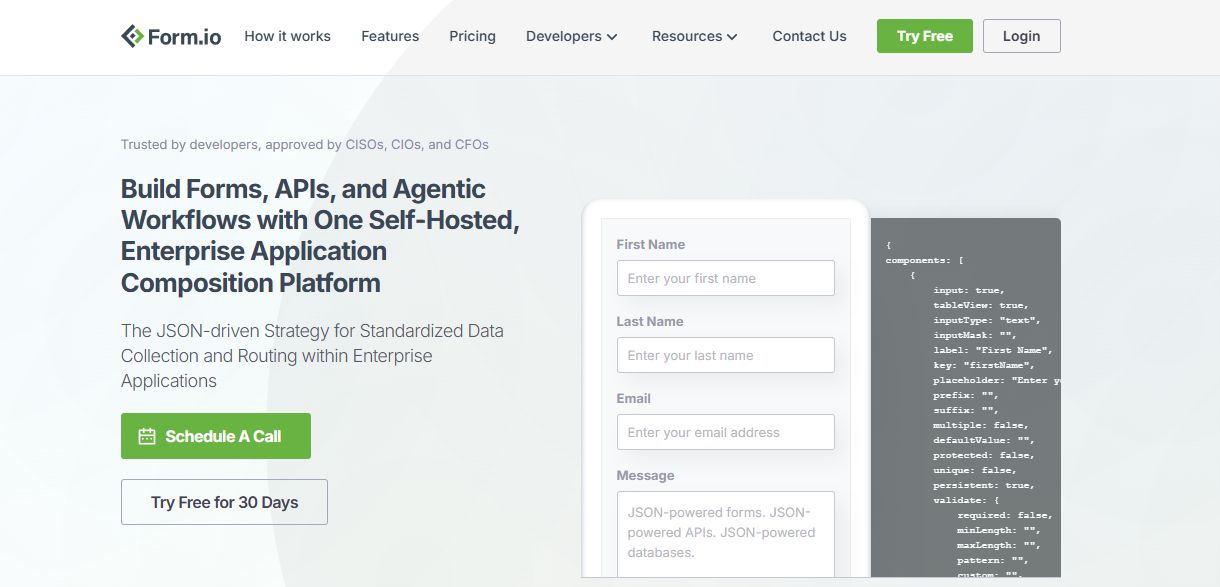
If your team leans technical, Form.io offers powerful form building with API-first architecture and extensive customization. You can embed complex conditional logic, create multi-step workflows, and handle enterprise-grade compliance requirements. The free tier includes unlimited forms and submissions, though advanced features like progressive profiling and advanced analytics live behind the paywall.
Form.io shines when you need flexibility. Unlike template-driven builders, you can design exactly what you need without wrestling against restrictions. However, setup requires more technical knowledge than drag-and-drop alternatives.
3. Typeform: Beautiful Forms That Feel Like Conversations
Typeform brings a conversational approach to form building. Each field appears one at a time, which feels less intimidating than a wall of text boxes. The free plan includes unlimited forms and responses, making it ideal for growing teams.
The visual simplicity is both a strength and limitation. Typeform prioritizes aesthetics and user experience over complex logic and personalization. For basic lead capture, though, you won't find a more elegant option.
4. Jotform: The Feature-Rich Sweet Spot
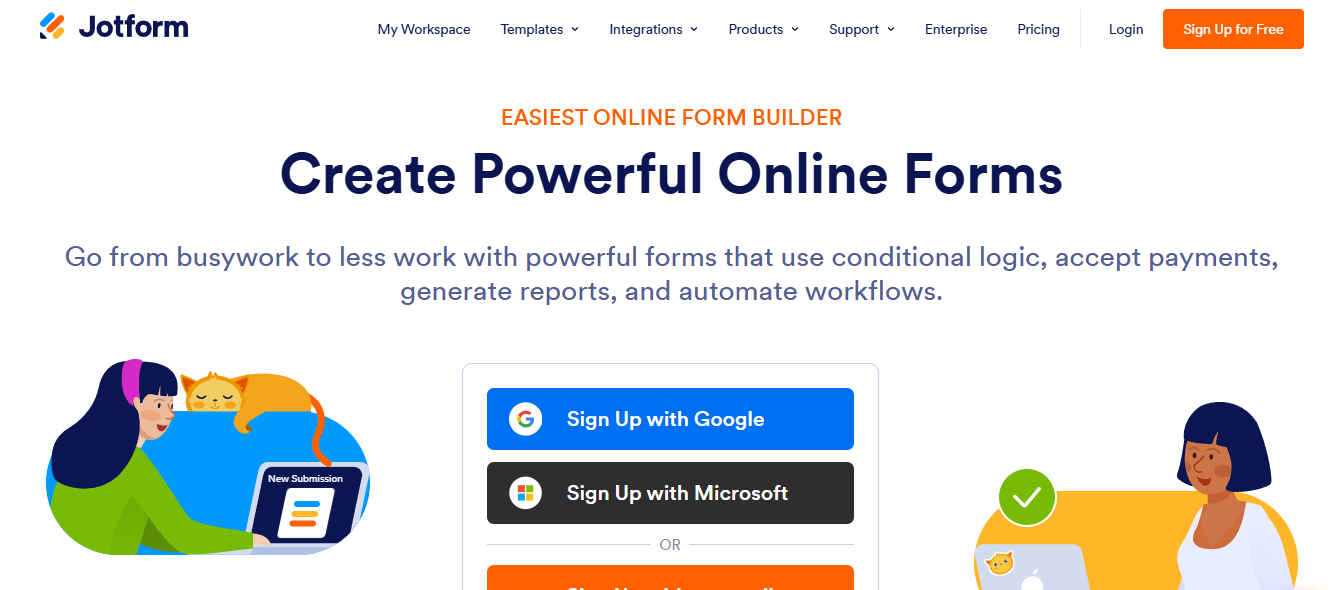
Jotform delivers surprising capability on its free plan. You get 100 monthly submissions, conditional logic, email notifications, and basic integrations. The builder is intuitive but powerful, with hundreds of pre-built templates that actually look professional.
For teams capturing leads at moderate volume, Jotform handles both simple signups and complex multi-field lead qualification. The free tier works until you hit the submission cap, which is more generous than many competitors offer.
5. HubSpot Forms: Native to HubSpot Workflows
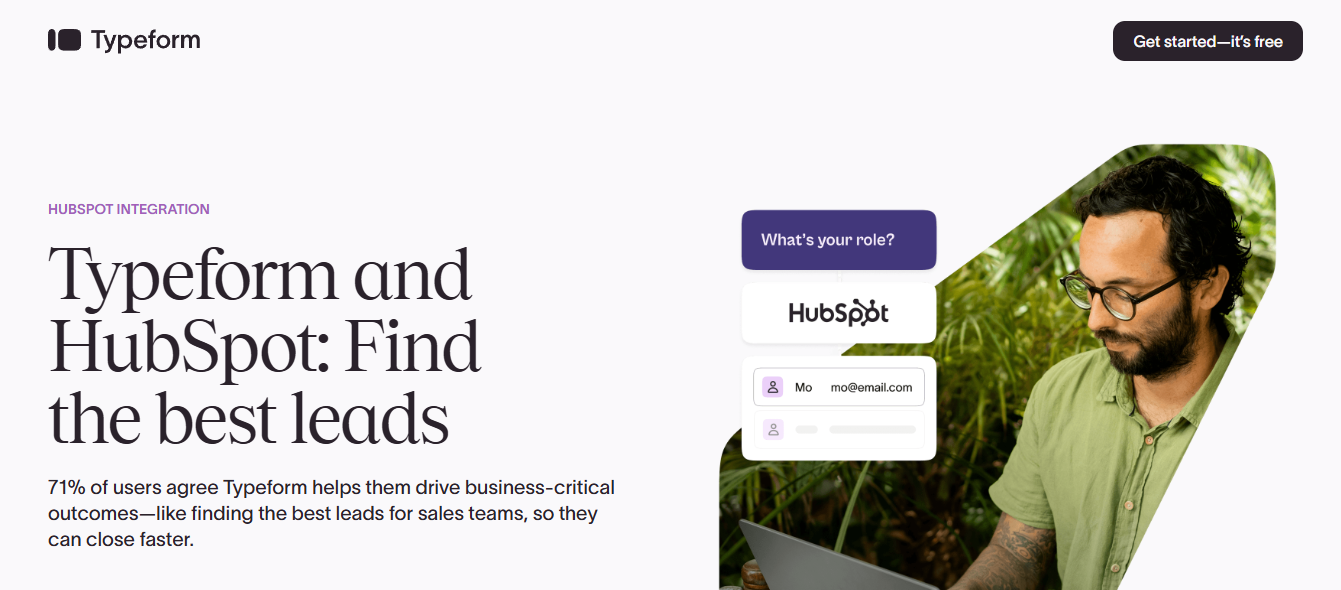
If you're already in the HubSpot ecosystem, their free form builder integrates seamlessly with contacts, deals, and email workflows. No separate login, no sync delays, and leads populate your CRM instantly.
HubSpot forms work best when you're building a coordinated lead management system. Standalone, they're limited compared to specialized builders. But as part of a broader HubSpot setup, they're essential infrastructure.
6. Leadpages: Conversion-Focused Landing Pages
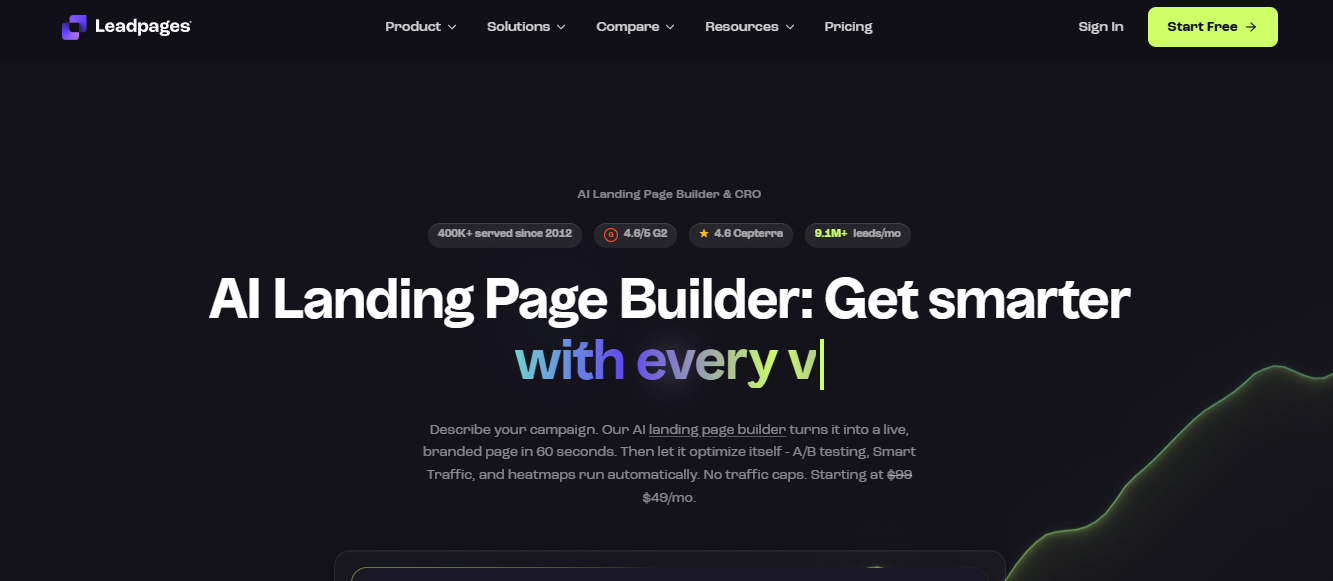
Leadpages brings a conversion-optimization mindset to lead capture. The free plan includes mobile-responsive templates, popup forms, and A/B testing. You don't get integrations or advanced logic on the free tier, but the template quality is high and setup takes minutes.
Leadpages works best when conversion rate matters more than lead qualification sophistication. If you want fast, beautiful pages that collect leads without complexity, this delivers.
7. GetResponse: All-in-One with Email Automation
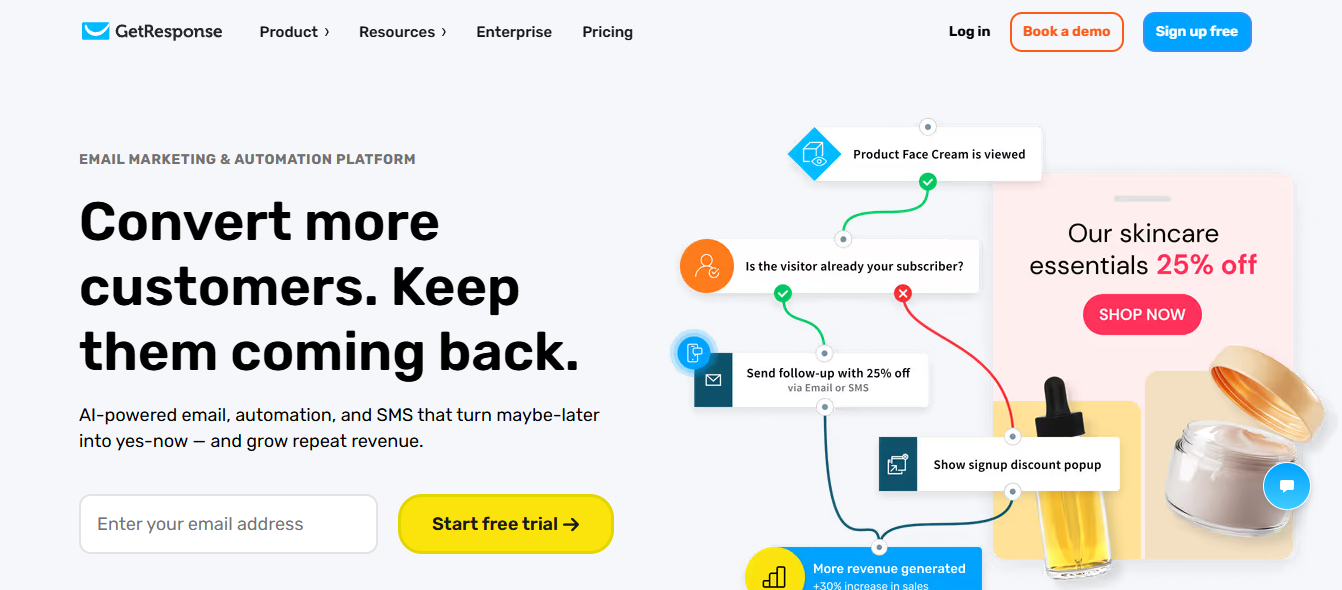
GetResponse combines form building, email marketing, and basic automation. The free plan covers up to 500 contacts and includes form creation with conditional logic plus email sequences. It's a genuine starter solution, not a limited version designed to frustrate you into upgrading.
The catch is integration. GetResponse's API is solid, but native integrations are limited compared to specialized form builders. Use it when form capture and immediate email follow-up form your entire lead nurture strategy.
Choosing the Right Tool for Your Team
The best free lead generation tool depends on what part of your funnel needs the most help. If you capture hundreds of leads monthly but struggle to separate hot prospects from cold, a smart qualification tool outweighs a beautiful form builder.
If you need to move fast and every second counts, AI-powered platforms cut setup time from days to minutes. If you're deep in HubSpot or Salesforce, native integrations eliminate friction and manual data entry.
Many successful teams combine two or three of these tools, each handling a specific function. A form builder for initial capture, a qualification tool for scoring, and an email platform for nurturing. Free tiers make this approach possible without budget pressure.
The key is moving forward. Pick one tool, test it for two weeks, and measure what matters: response rates, qualified leads, CRM flow, and sales follow-up. Data beats intuition every time.
FAQ
Q: Can I use free lead generation tools for high-volume campaigns?
A: Yes, as long as you choose tools that don't cap monthly submissions. Weavely, Typeform, and Form.io all offer unlimited responses on free plans. Others like Jotform and GetResponse have submission limits, so read the fine print. When your campaigns grow, upgrading becomes natural rather than a painful surprise.
Q: Do free form builders integrate with CRM systems?
A: Most do, though the depth varies. HubSpot, Salesforce, and Pipedrive integrations are standard on leading platforms. Smaller CRMs or custom systems may require Zapier or Make as a bridge. Native integrations are faster and more reliable, so check documentation before committing to a tool.
Q: What's the difference between lead capture and lead qualification?
A: Lead capture is collecting contact information and basic details. Lead qualification sorts prospects by buying intent, budget, timeline, and fit. Not all tools handle both. Some specialize in beautiful capture forms, others in intelligent qualification. Weavely does both natively, which saves a step in your workflow.
Q: How do I know if a free plan is sustainable for my business?
A: Test it with real campaigns. Run a lead-gen initiative for 30 days and track whether the tool's limits constrain you. If you hit caps before running actual insights, you've outgrown free. If limits are theoretical, the free plan is working. This avoids switching tools mid-campaign when momentum matters.
Q: Should I use multiple free lead generation tools together?
A: Absolutely. Many high-performing teams layer a form builder (Typeform, Weavely) with an email platform (GetResponse) or a CRM (HubSpot). Each tool handles its core strength, and integrations move data between systems. This is more flexible than forcing one platform to do everything and more cost-effective than licensing comprehensive suites.
Q: What happens when my team grows beyond free plans?
A: Paid tiers preserve your workflows while removing restrictions. Most tools offer straightforward upgrades with per-seat or per-contact pricing. Choose platforms where the free plan taught you workflows you'll want to scale rather than tools that feel like feature-blocked trials.
Final Thoughts
Free lead generation tools have matured into legitimate alternatives to expensive enterprise platforms. The key is understanding your specific need. Some teams need beautiful capture forms. Others prioritize intelligent qualification. A few need both wrapped into a single platform.
Test these tools against your actual workflow. Run a small campaign, measure results, and iterate. The best tool isn't the one with the longest feature list, it's the one your team adopts and uses consistently. Start free, and scale only when the data tells you to.
For more on optimizing your lead generation strategy beyond tools, check out our lead generation best practices guide.
About the Author