Using Conditional Logic to Route Leads to Different IT Service Departments
In the rapidly evolving IT landscape, efficiently managing incoming leads can be the difference between securing new business and losing potential clients to competitors. Organizations offering multiple IT services often face the challenge of routing inquiries to the most appropriate department promptly.
Leveraging conditional logic in lead routing processes has emerged as a game-changing strategy for enhancing customer experience and operational efficiency. By automating lead distribution based on specific criteria, companies can ensure that prospects receive timely, relevant responses from the right experts.
Conditional logic is especially valuable for IT service providers juggling diverse offerings such as cloud computing, cybersecurity, infrastructure support, and help desk services.
With so many specialized departments, manually routing leads can be time-consuming and prone to errors. Implementing an intelligent lead routing system enables organizations to streamline internal workflows, improve response times, and increase conversion rates.
In fact, research shows that companies utilizing automated lead routing experience a 30% increase in lead conversion rates compared to those relying on manual processes. This statistic underscores the tangible business benefits of adopting conditional logic.
What is Conditional Logic in Lead Routing?
Conditional logic refers to a set of predefined rules that determine the path a lead takes based on specific criteria or responses. Instead of manually sorting through inquiries, conditional logic automates the process by analyzing lead data such as their needs, company size, industry, or urgency.
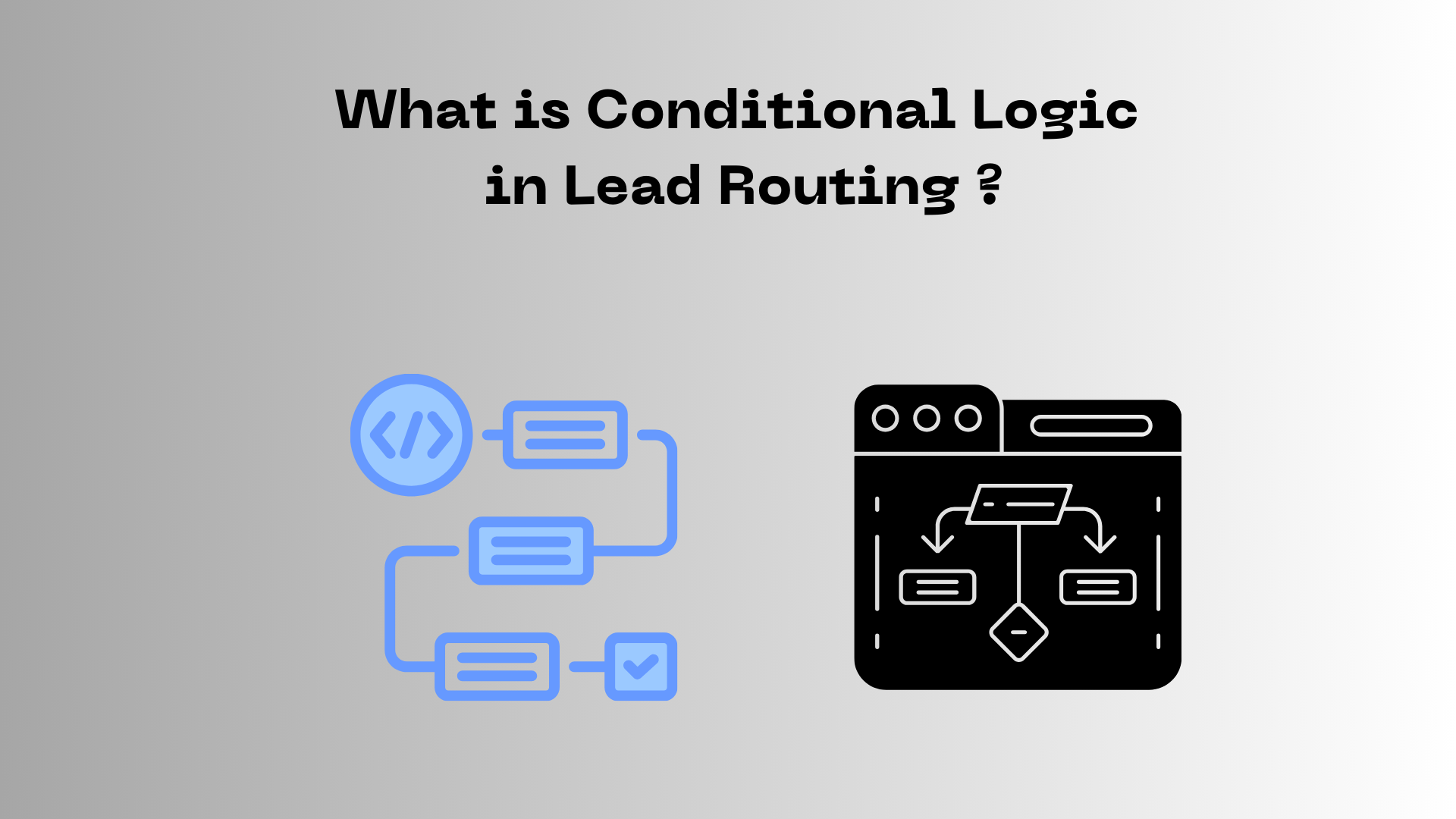
This automation ensures that leads are directed to the department best equipped to handle their requests, thereby speeding up response times and increasing the likelihood of conversion.
For example, a company providing a range of IT services, from cloud solutions to cybersecurity, can use conditional logic to route leads seeking security expertise directly to their specialized team. This approach not only streamlines internal workflows but also improves customer satisfaction by connecting prospects with relevant experts immediately.
Organizations seeking robust federal cybersecurity by Masada often require tailored approaches that only dedicated federal cybersecurity teams can deliver. By routing such leads correctly from the outset, companies avoid delays and miscommunications that might otherwise frustrate potential clients.
Benefits of Using Conditional Logic for IT Service Departments
Implementing conditional logic for lead routing offers several key advantages:
1. Improved Response Time: Automated routing reduces delays caused by manual lead sorting, enabling departments to respond faster. Studies indicate a 25% reduction in average response times after implementing conditional routing systems. Faster responses often translate to higher customer satisfaction and a competitive edge.
2. Higher Conversion Rates: Leads are connected with subject matter experts who understand their specific needs, increasing the chances of closing deals. By ensuring that each inquiry reaches the appropriate team, sales cycles become more efficient and effective.
3. Enhanced Lead Qualification: Conditional rules can filter out unqualified leads early, allowing teams to focus on high-potential prospects. This targeted approach optimizes resource allocation and boosts overall productivity.
4. Scalability: As an organization grows, conditional logic systems can handle increased lead volume without additional staffing. Automated routing scales effortlessly, accommodating business expansion.
5. Data-Driven Insights: By analyzing routing patterns, companies can gain valuable insights into customer demand and departmental performance, enabling data-informed decision-making.
An illustration of expert handling in IT services can be found by routing leads to the expert team at NetOps, known for their proficiency in managing complex cybersecurity challenges.
By directing inquiries to such specialized groups, organizations can guarantee that leads receive the highest level of consultation and service. This targeted expertise helps build trust and solidify client relationships.
How to Implement Conditional Logic in Your Lead Routing Process
To effectively use conditional logic in lead routing, companies should follow a structured approach:
1. Define Clear Criteria
Identify the key attributes that determine the best department to handle a lead. These might include:
- Type of IT service requested (e.g., cloud management, network security, help desk support)
- Industry sector (e.g., healthcare, finance, government)
- Company size or budget
- Urgency or timeline requirements
Having well-defined criteria is essential to creating meaningful routing rules that reflect business priorities and customer needs.
2. Map Out Routing Rules
Once criteria are established, create conditional rules that map lead responses to corresponding departments. For example:
- Leads requesting cybersecurity services from financial institutions route to the cybersecurity team.
- Prospects needing infrastructure support from small businesses route to the help desk department.
These rules should be straightforward to minimize complexity and reduce the risk of errors.
3. Choose the Right Technology
Modern Customer Relationship Management (CRM) platforms and lead management tools often come with built-in conditional logic capabilities.
Selecting a system that integrates seamlessly with existing workflows is essential for smooth implementation. Look for platforms that offer flexibility in rule creation, real-time routing, and detailed reporting features.
4. Train Staff and Monitor Performance
Ensure that all teams understand the new routing process and have access to the necessary tools. Continuous monitoring of routing effectiveness allows organizations to identify bottlenecks or misroutes and adjust rules accordingly. Regular training sessions keep staff updated on best practices and system enhancements.
i) Real-World Impact and Statistics
The effectiveness of conditional logic in lead management is supported by compelling data. According to a recent survey, companies that utilize automated lead routing experience a 30% increase in lead conversion rates compared to those relying on manual processes.
Furthermore, organizations report a 25% reduction in average response times after implementing conditional routing systems. These improvements directly contribute to stronger customer relationships and revenue growth.
Additionally, the global IT services market is projected to reach $1.5 trillion by 2026, reflecting a compound annual growth rate (CAGR) of 8.4%. As demand intensifies, effective lead routing becomes increasingly vital for maintaining competitive advantage.
Companies that can quickly connect leads to the right department will be better positioned to capture emerging opportunities.
ii) Challenges to Consider
While conditional logic offers many benefits, companies should be mindful of potential challenges:
a) Complexity in Rule Management: Overly complicated rules can create routing errors or bottlenecks. It’s important to keep rules as simple and clear as possible to maintain accuracy.
b) Data Quality Requirements: Accurate lead information is critical; incomplete or incorrect data may lead to misrouting. Investing in data validation and enrichment tools can mitigate this risk.
c) Integration with Existing Systems: Ensuring compatibility with current CRM and marketing tools is essential. Lack of integration might result in fragmented workflows and reduced efficiency.
Addressing these challenges requires ongoing evaluation and refinement of lead routing strategies. Regular audits of routing logic and collaboration between sales, marketing, and IT teams help maintain system effectiveness.
Future Trends in Lead Routing for IT Services
Looking ahead, advancements in artificial intelligence (AI) and machine learning (ML) are set to further transform lead routing. Intelligent systems will be able to analyze unstructured data, predict lead intent, and dynamically adjust routing paths in real time.
This level of sophistication promises even greater efficiency and personalization in connecting leads with the right IT service departments.
Moreover, integration with omnichannel communication platforms will allow leads to be routed seamlessly regardless of whether they initiate contact via email, chat, phone, or social media.
This holistic approach will enhance customer experience and enable IT service providers to capture and nurture leads more effectively. Predictive analytics may also enable proactive engagement strategies, anticipating customer needs before they explicitly express them.
Conclusion
In an industry where responsiveness and expertise are paramount, using conditional logic to route leads to different IT service departments is a strategic imperative.
By automating the lead distribution process based on well-defined criteria, organizations can accelerate response times, improve lead qualification, and increase conversion rates.
Whether connecting prospects to specialized cybersecurity teams or dedicated infrastructure support, conditional logic helps ensure that each inquiry reaches the right experts promptly.
For IT service providers aiming to optimize their lead management, embracing conditional logic is not just a technological upgrade-it is a vital component of business growth and customer satisfaction in a competitive market.
Implementing this approach today positions companies to capitalize on the expanding demand for IT solutions and deliver superior service tailored to each client’s unique needs.
The strategic use of conditional logic ultimately empowers organizations to build stronger client relationships, improve operational efficiency, and drive sustained revenue growth.
About the Author