Using "Security Badges" and SSL Seals on Your IT Service Lead Forms to Increase Conversion
The Importance of Trust in IT Service Lead Generation
In the highly competitive world of IT services, converting website visitors into qualified leads remains a critical challenge. Prospective clients are often hesitant to share sensitive information online, especially on lead forms where concerns about data privacy and security are paramount.
For IT service providers, whose offerings often involve managing vital business systems and sensitive data, establishing trust at the very first point of contact-the lead form-is essential. One of the most effective ways to alleviate these concerns and boost conversion rates is by incorporating "security badges" and SSL seals on your lead forms.
Security badges serve as visual assurances that your website and its data collection processes are secure, helping to build trust quickly. These badges are often issued by well-known security companies such as Norton, McAfee, or Trustwave, and they signal to visitors that your site has undergone rigorous security checks.
Research shows that 84% of consumers will abandon a purchase if they believe the site is not secure. This statistic underscores the critical importance of making security visible, particularly for IT service providers where trust and data protection are non-negotiable priorities.
Why IT Service Providers Should Prioritize Security Signals
IT service providers handle sensitive business data daily, from client credentials to proprietary information. When potential clients visit your website, especially your lead generation forms, they want to be confident that their information will be protected.
This is where security badges and SSL seals come into play. These visual cues reduce anxiety, making visitors feel safe sharing their information and thus increasing the likelihood of form completion.
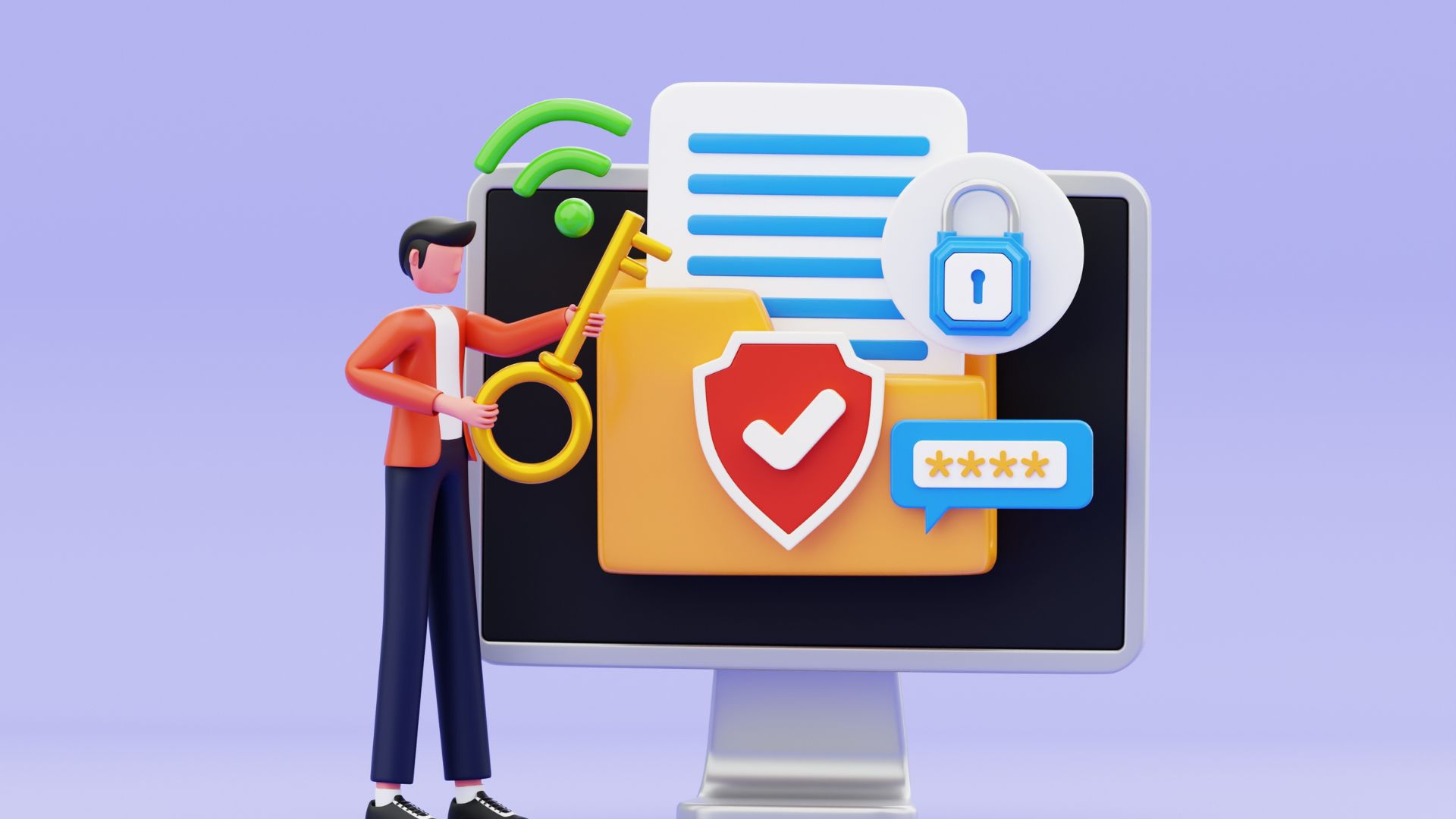
For example, companies like Contigo’s tech management understand the importance of showcasing robust security measures directly on their lead forms. Displaying security badges not only reinforces their commitment to safeguarding client data but also differentiates them from competitors who may overlook this detail.
In an industry where trust is the foundation of every business relationship, these badges help establish credibility immediately.
The Psychological Impact of Security Badges on Conversion Rates
Security badges tap into well-known cognitive biases related to trust, authority, and social proof. When visitors see familiar security logos such as Norton Secured, McAfee Secure, or SSL seals, their perceived risk decreases dramatically.
This effect is even more pronounced in the B2B IT sector, where decision-makers tend to be more analytical and cautious before engaging with a service provider.
Studies confirm that displaying trust badges can increase conversion rates by up to 42%. This is a significant uplift that can translate into hundreds or thousands of additional leads, depending on your website traffic volume.
For IT service providers, this means that a relatively simple design element-placing a recognizable security badge on your lead form can lead to substantial growth in qualified leads and ultimately revenue.
Implementing Security Badges on IT Service Lead Forms
To effectively utilize security badges, IT companies should strategically place them where visitors are likely to hesitate, near form fields where sensitive information is entered, or adjacent to the submit button.

This placement ensures that the security message is perceived at the moment visitors decide whether to trust your form.
The badges used must be authentic and verifiable. Fake or outdated badges can backfire, undermining trust rather than building it.
For example, Endurance IT's technical support integrates technical support services with visible security assurances by displaying verified SSL seals and security badges on their lead forms.
This approach helps potential clients feel secure about submitting their information. Along with a user-friendly form design and clear privacy policies, this strategy significantly enhances form completion rates.
The Role of SSL Seals in Enhancing Website Security Perception
SSL (Secure Sockets Layer) certificates encrypt data transmitted between the user's browser and the server, a fundamental safeguard for protecting form submissions.
However, many users do not understand the technical details behind SSL, they rely heavily on visual cues such as SSL seals or the padlock icon in the browser address bar to feel reassured.
Displaying an SSL seal prominently on your IT service lead forms can clarify that your website is protected, reducing friction in the conversion process. According to a report by Symantec, 56% of consumers look for security indicators before making online transactions.
While this data is from the consumer space, the principle holds equally true in B2B contexts where the stakes of data security are even higher.
Best Practices for Using Security Badges and SSL Seals
- Choose Recognizable Badges: Opt for well-known security badges from reputable providers to maximize trust. Visitors are more likely to respond positively to badges from brands they recognize.
- Maintain Design Consistency: Security badges should blend seamlessly with your website’s design without overwhelming users. Overuse or clutter can reduce their effectiveness.
- Strategic Placement: Place badges near sensitive areas such as form fields or submission buttons where users may hesitate or feel vulnerable.
- Regular Certificate Validation: Ensure your SSL certificates are current and that the seals link to verification pages. Broken or expired certificates can harm trust.
- Test and Optimize: Use A/B testing to determine which badges, placements, and designs yield the highest conversion rates. Continuous optimization is key to maximizing lead generation.
- Complement with Clear Messaging: Pair security badges with concise privacy statements or data protection policies to reinforce your commitment to security.
Measuring the Impact on Lead Conversion
It is essential to track the effectiveness of security badges and SSL seals to justify their implementation and optimize their use. Use analytics tools to monitor form abandonment rates and conversion rates before and after adding these security elements. Many IT companies have reported a 15-30% increase in lead form submissions after incorporating visible security assurances on their forms.
Furthermore, combining these security elements with quality content, streamlined forms, and a seamless user experience creates a frictionless interaction that builds trust and drives leads. Measuring these improvements over time provides valuable insights into user behavior and helps refine your lead generation strategy.
Expanding Beyond Lead Forms: Security Signals Across Your Website
While the focus here is on lead forms, it is worth noting that security badges and SSL seals should be part of a broader trust-building strategy across your entire site.
Displaying security assurances on pricing pages, checkout areas, and client portals further reinforces your commitment to data protection.
Moreover, educating visitors about your security protocols through blog posts, case studies, or FAQ sections can complement visual badges.
This multi-faceted approach addresses both the emotional and rational aspects of trust, making prospects more comfortable engaging with your IT services.
The Future of Security Badges and Conversion Optimization
As cyber threats continue to evolve, so too will the tools and indicators used to communicate security to users. IT service providers should stay abreast of emerging standards in website security and user interface design to maintain a competitive edge. Incorporating dynamic or interactive security badges that update in real time or link to detailed security reports may become standard practice.
Additionally, integrating security badges with other trust signals such as client testimonials, certifications, and compliance badges (e.g., GDPR, HIPAA) can create a comprehensive trust ecosystem that further enhances lead conversion.
Conclusion
In the B2B IT service landscape, earning the trust of potential clients is crucial for successful lead generation.
Using security badges and SSL seals on lead forms is a proven strategy to reduce user anxiety and increase conversion rates.
Companies like and exemplify how integrating visible security assurances can enhance credibility and encourage prospects to engage.
By prioritizing security visibility, adhering to best practices, and continuously optimizing based on data, IT service providers can boost their lead generation efforts significantly.
In an increasingly competitive market, these seemingly small design elements can make a substantial difference in attracting and converting qualified leads, ultimately driving business growth and customer loyalty.
About the Author