What Cold Email Software Actually Does in Modern SaaS Outreach
Most SaaS teams already know outbound email still works. The harder truth? Executing it well is a different story entirely. Inbox filters have gotten ruthless, buyers have gotten skeptical, and the days of blasting a generic sequence to 5,000 contacts and calling it a strategy, those days are long gone.
But here's the thing: when you match the right approach with the right tools, cold email becomes one of the most predictable growth levers you can build into your pipeline. This guide breaks it all down, from technical setup to scale.
One data point that should change how you think about timing: according to 6sense's 2025 B2B Buyer Experience Report, the point of first contact between buyers and sellers shifted from 69% of the journey in 2024 to 61% in 2025, roughly six to seven weeks earlier.
Buyers are arriving at conversations more informed and far more selective. That makes your first email more consequential than it's ever been.
What Cold Email Software Actually Does in Modern SaaS Outreach
Right at the intersection of automation and targeted messaging, cold email software gives sales teams a structured way to reach prospects who've never heard of your company. It's not a CRM replacement. It's not a mass-marketing tool. It's purpose-built for outbound, for starting conversations that wouldn't otherwise happen.
Why It's Central to Scalable SaaS Lead Generation
At scale, cold email software handles the mechanical work, multi-step sequences, scheduled follow-ups, and inbox rotation, so your SDRs and founders can spend time on actual conversations. These platforms serve everyone from a two-person founding team hunting their first ten customers to a 50-person sales org running thousands of touches per month.
The distinction from a CRM matters here. CRMs nurture existing relationships. Cold email software creates new ones. Platforms like cold email software bring sequencing, inbox warm-up, A/B testing, and deliverability monitoring into one place, which means fewer tools, fewer gaps, and fewer things falling through the cracks.
The Core Features Your Team Actually Needs
When you're evaluating options, focus on what moves the needle: sequence automation, inbox rotation, reliable deliverability tracking, and CRM integration that doesn't require a developer to configure. Those four capabilities, done well, are what drive open rates, reply rates, and booked demos. Everything else is secondary. Match your evaluation to your ICP complexity, outreach volume, and where deals typically stall in your sales cycle.
Build the Foundation First, Strategy Before Campaigns

Here's where most teams rush, and where most programs quietly fail. You can have the best cold email software on the market, and it still won't save a poorly defined campaign. Strategic clarity comes before execution. Always.
Nail Your ICP and Offer Before Anything Else
A vague ICP is the fastest way to burn a perfectly good domain. Effective cold email lead generation requires targeting that's filter-ready: industry, headcount, tech stack, and behavioral triggers like funding announcements or leadership transitions. Specificity isn't just nice to have, it's what separates a 4% reply rate from a 0.4% one.
Your offer has to match where the prospect actually is in their buying journey. Someone mid-evaluation wants ROI proof and customer stories. Someone early in awareness needs to understand the problem you solve, not the features of your product. Mismatching offer to stage is quietly responsible for more ignored cold emails than any technical issue ever was.
Build Lists That Reflect That Precision
Once your ICP and offer are locked in, your list quality either validates or destroys that work. Use enrichment tools, LinkedIn, product sign-up data, and event rosters to pull contacts that genuinely match your criteria. Run verification before importing anything; bounces damage your sender reputation faster than almost anything else. Segment by persona, use case, or specific pain point rather than just industry vertical for relevance that actually shows in the copy.
Configuring Cold Email Software for Deliverability That Holds Up

Even perfect targeting fails if your emails aren't landing in inboxes. Technical setup is where you protect your entire program, and most teams underinvest here until something goes wrong.
Protect Your Domain Before You Send a Single Email
Configure SPF, DKIM, and DMARC records on every sending domain before anything goes out. Use custom tracking domains. Keep your primary company domain out of cold outreach entirely until you've proven deliverability on subdomains. And don't underestimate sending limits, a new domain pushing 200 emails on day one is a signal that mailbox providers treat as suspicious. Start at 20–30 per day and ramp slowly over two to three weeks.
Warm-Up, Segmentation, and Smart Throttling
Modern cold email software typically includes warm-up functionality, simulated opens, and replies that establish your domain's credibility with mailbox providers over time. It feels administrative, but skipping it is one of the most expensive shortcuts teams take. Layer in segmentation by meaningful attributes, and use send throttling to align delivery with regional office hours. These aren't bells and whistles; they're what keep your program from degrading over time.
Writing Cold Email Templates That Actually Generate Replies
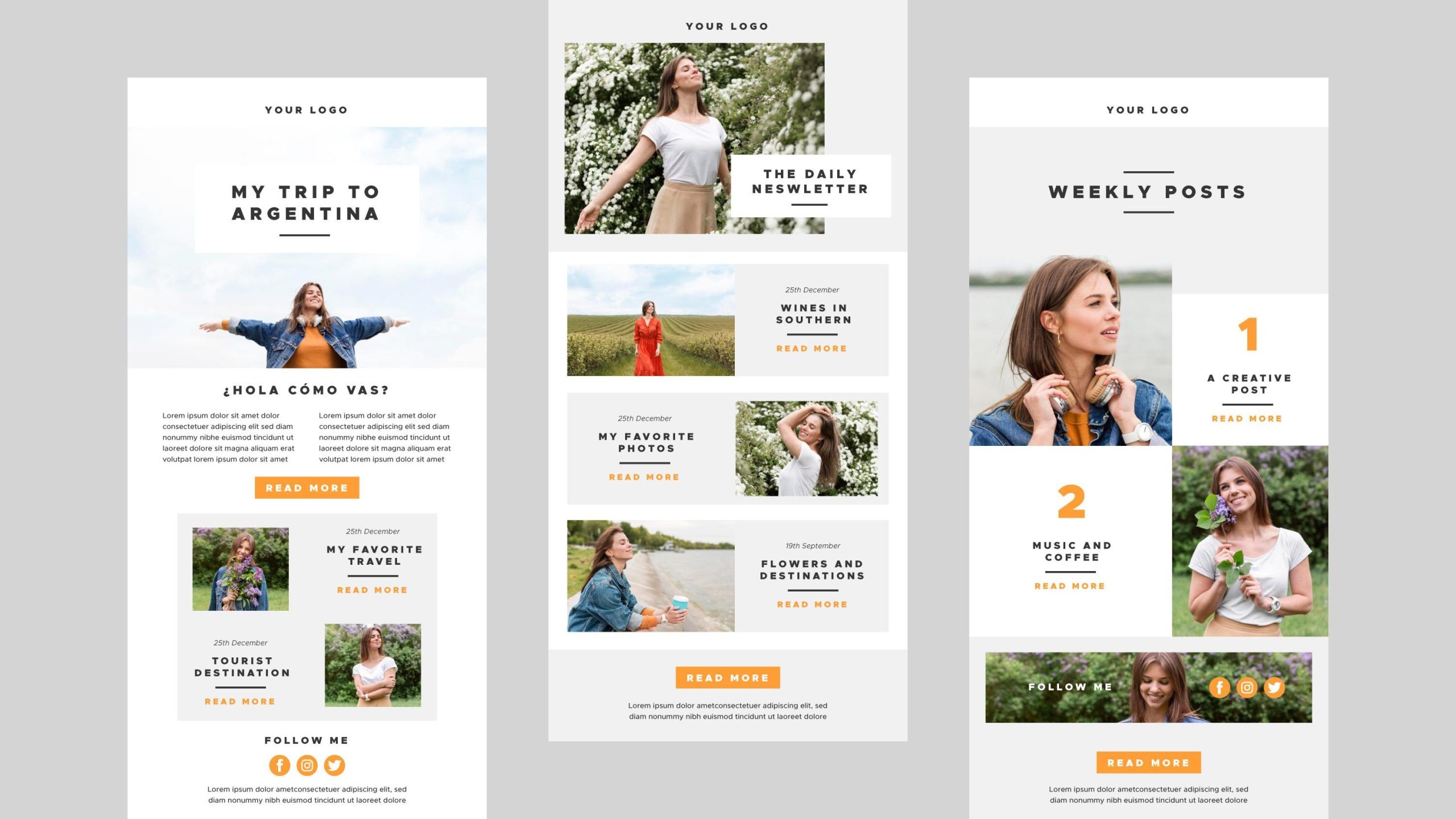
With your infrastructure solid, the focus shifts to what your prospect actually reads. This is where the pipeline either forms or evaporates.
Frameworks and Real Personalization at Scale
Three frameworks consistently convert well for SaaS: pain-message-proof, trigger-event-based, and ROI snapshot. Each serves a different context, founder-led outreach, SDR sequences, or breaking into new verticals. Choose based on who's sending and who's receiving.
Personalization beyond `{first_name}` and `{company_name}` is table stakes now. Use custom fields for recent company news, job title context, or tech stack signals. Tier your effort: deeper manual research for high-ACV accounts, segment-level automation for broader outreach. The right cold email software lets you do both without separate workflows.
Subject Lines, Openers, and the Right CTA
Subject lines that reference a specific outcome or problem consistently outperform curiosity-bait in B2B SaaS, test this with your tool's A/B features, and you'll see it quickly. Even small subject line changes can swing open rates meaningfully.
For CTAs, match the ask to lead temperature. A cold prospect who's never heard of you isn't booking a 45-minute demo on email one. A softer ask, "Is this worth a quick conversation?", consistently outperforms hard calendar links at the beginning of a sequence. Save the direct booking link for later touches when intent is clearer.
Designing Cold Email Sequences That Build Real Pipeline
Great individual emails matter. But SaaS deals rarely close on a single touch. What separates sporadic wins from a repeatable program is a deliberate, multi-step sequence.
Sequence Structure by Persona and Deal Size
For SMB targets, four to five touches over two weeks is a reasonable rhythm. For enterprise, extend to seven or eight touches across four to six weeks. Mix value-add follow-ups, new angles, and light bumps; don't just repeat the same ask in different words. Once timing is right, tailor each journey to the persona. A VP of Sales and a CTO respond to entirely different signals. Tags and segments inside your cold email software handle the routing automatically.
Turning Metrics Into a Continuously Improving Program
Data without action is just noise. Here's how to use what your campaigns tell you.
Track the Metrics That Actually Connect to Revenue
Monitor deliverability, open rate, reply rate, and, most critically, positive reply rate. Opens reveal subject line performance. Positive replies tell you whether your offer and targeting are working. Demo booking rate and opportunity rate connect those signals to actual revenue. Run controlled tests, roll out winning versions of your personalized cold email templates carefully, and protect your sending reputation while scaling what's working.
Lead handoff is where the pipeline most often leaks quietly. Build scoring rules based on email engagement, opens, clicks, replies, and connect your cold email software directly to your CRM. High-intent signals should trigger immediate follow-up, not a three-day lag while things fall out of someone's queue.
Common Mistakes, And the Straightforward Fixes
Many SaaS teams assume more volume equals more pipeline. It doesn't. More volume to a poorly targeted list just accelerates domain damage. The fix is tighter, ICP definition, verified lists, and a copy that reads like it was written for one person specifically.
Watch your deliverability dashboards weekly; rising bounce rates, declining opens, or spam placement are early warnings. Don't wait for the damage to compound. Pause, audit, clean, then resume. The teams that catch these signals early are the ones who keep their programs running month after month without rebuilding from scratch.
A 30-Day Roadmap for Launching Your Cold Email Program
Week one: technical setup, domain warm-up, and ICP finalization. Week two: list building and first sequence copy. Week three: limited launch to a small segment with close monitoring. Week four: data review, messaging refinement, and expansion to additional segments.
Quarterly reviews keep the program healthy long-term. Retire what isn't working, incorporate learnings from closed-won and closed-lost calls, and keep evolving your personalized cold email templates as your ICP sharpens. The goal isn't a campaign, it's an always-on engine that consistently produces qualified SaaS leads.
Final Thoughts
The SaaS teams building the most consistent pipelines right now aren't the ones sending the most emails. They're the ones using cold email software to reach the right contacts, with the right offer, at a moment when it actually lands. Build that system thoughtfully, and it keeps delivering, not just this quarter, but well beyond it.
Frequently Asked Questions
I). Which cold email software features matter most for SaaS lead generation success?
Sequence automation, inbox rotation, deliverability monitoring, and CRM integration. These four drive inbox placement, engagement, and conversion into sales-qualified opportunities more than anything else.
II). Why do some SaaS cold email campaigns get opens but no replies?
Usually, the offer or CTA doesn't match where the prospect is in their buying journey. High open rates with low replies point to strong subject lines but weak body copy or misaligned offers.
III). What metrics should a SaaS team track weekly to improve cold email lead generation?
Deliverability rate, positive reply rate, and demo booking rate. These three reveal whether your emails are landing, resonating, and converting.
About the Author