How Advanced CAPTCHA and Bot Protection Save IT Sales Teams Hours of Manual Vetting
The Growing Challenge of Bot Traffic in IT Sales
In the fast-paced world of IT sales, teams constantly strive to connect with genuine prospects while filtering out irrelevant or malicious inquiries. However, the rise of sophisticated bots and automated traffic has made this task increasingly difficult.
Bots can flood lead generation forms with fake or low-quality leads, forcing sales teams to spend countless hours manually vetting submissions to identify real opportunities. This inefficiency wastes valuable time, delays the sales pipeline, and reduces overall productivity.
Recent studies indicate that bots account for over 40% of all web traffic, with a significant portion targeting business websites to harvest information or launch attacks. For IT sales teams, this means a larger volume of false leads that must be screened out before meaningful engagement can occur.
In addition to sheer volume, the sophistication of these bots has increased dramatically. Modern bots can mimic human behaviors, such as mouse movements and keystrokes, making them harder to detect by traditional security measures.
This evolution means simple CAPTCHA challenges or basic filters are no longer sufficient to keep malicious traffic at bay. Sales teams face mounting pressure to balance lead quality assurance with maintaining smooth user experiences for legitimate prospects.
Leveraging Advanced CAPTCHA Solutions to Filter Out Bots
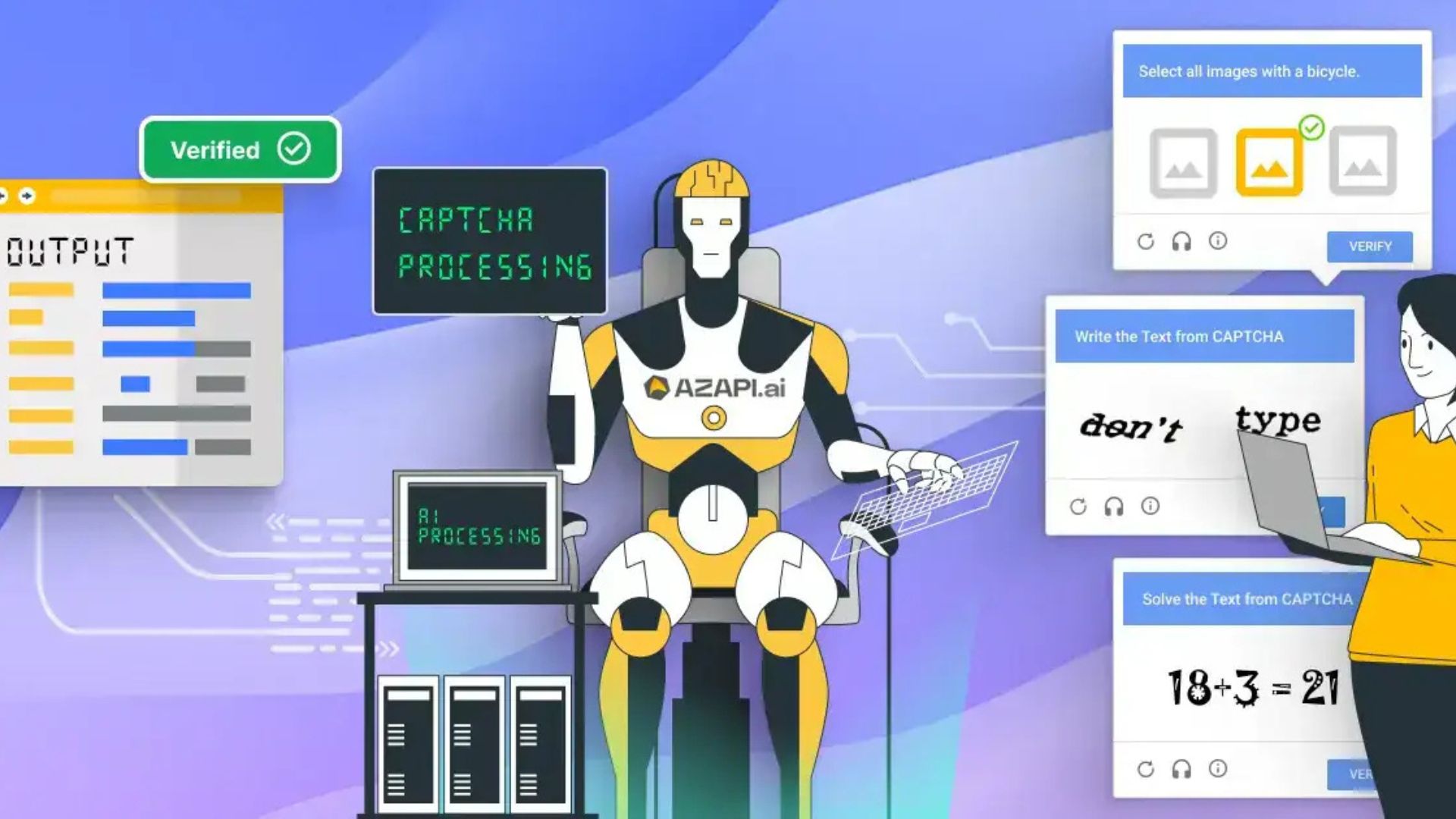
One of the most effective defenses against automated bot submissions is the implementation of advanced CAPTCHA systems. Unlike traditional CAPTCHA s that rely on distorted text or simple puzzles, modern versions utilize behavioral analysis, risk scoring, and machine learning algorithms to differentiate between humans and sophisticated bots with greater accuracy.
For instance, companies like Protek in Salt Lake City have integrated these advanced challenges into their lead capture forms to streamline the vetting process. By doing so, they significantly reduce the number of fake leads entering their sales funnel, freeing up team members to focus on genuine prospects. This proactive approach not only safeguards data integrity but also enhances user experience by minimizing unnecessary friction for legitimate users.
Advanced CAPTCHA solutions go beyond merely presenting a challenge; they analyze contextual signals such as IP reputation, device fingerprinting, and interaction patterns. This multi-layered approach allows for dynamic risk assessment, where the difficulty or presence of a CAPTCHA challenge adapts in real time based on the likelihood of bot activity.
For example, a returning user with a clean history might pass through with minimal interruption, while suspicious traffic faces more rigorous verification.
According to recent data, websites that deploy advanced bot mitigation techniques experience up to a 70% reduction in fraudulent form submissions. This translates directly into saved hours for sales personnel who would otherwise sift through irrelevant or malicious leads.
The Role of Security Teams in Enhancing Bot Protection

Effective bot protection is not solely the responsibility of sales teams; it requires close collaboration with cybersecurity experts.
A dedicated security team at Prototype IT can implement and continuously refine sophisticated bot detection tools, ensuring they adapt to emerging threats and maintain high accuracy.
These security teams analyze traffic patterns, identify suspicious behavior, and fine-tune CAPTCHA challenges based on real-time intelligence. By embedding security expertise into sales processes, organizations can drastically reduce the manual effort involved in lead qualification while maintaining robust defenses against automated attacks.
Moreover, these teams often leverage threat intelligence feeds and integrate bot protection with broader security frameworks, such as Web Application Firewalls (WAF) and Security Information and Event Management (SIEM) systems. This holistic approach allows for proactive threat hunting and rapid response to new bot tactics before they impact lead generation efforts.
Industry reports highlight that organizations partnering closely with cybersecurity teams reduce phishing and fraudulent lead attempts by 50% or more.
This partnership not only helps protect the brand’s reputation but also accelerates sales cycles by delivering higher-quality leads faster.
Quantifying the Impact on Sales Efficiency
The benefits of advanced CAPTCHA and bot protection extend beyond security-they have a measurable impact on sales efficiency. Time saved from manual lead verification allows sales reps to engage more extensively with qualified prospects, increasing conversion rates and revenue.
For example, an IT company implementing these technologies reported a 35% increase in lead conversion after reducing the influx of fake submissions. The sales team reclaimed approximately 10 hours per week previously lost to manual vetting activities, directly contributing to improved pipeline velocity.
Additionally, the reduction in false leads decreases the likelihood of wasted marketing spend on nurturing unqualified contacts. This leads to better allocation of resources and a more predictable return on investment for lead generation campaigns. The cumulative effect is a streamlined sales process where marketing and sales teams can focus on high-value activities rather than sifting through noise.
Recent research supports this impact: businesses that employ advanced bot mitigation solutions experience up to a 25% increase in marketing ROI due to cleaner lead data and improved targeting.
Best Practices for Implementing Advanced Bot Protection
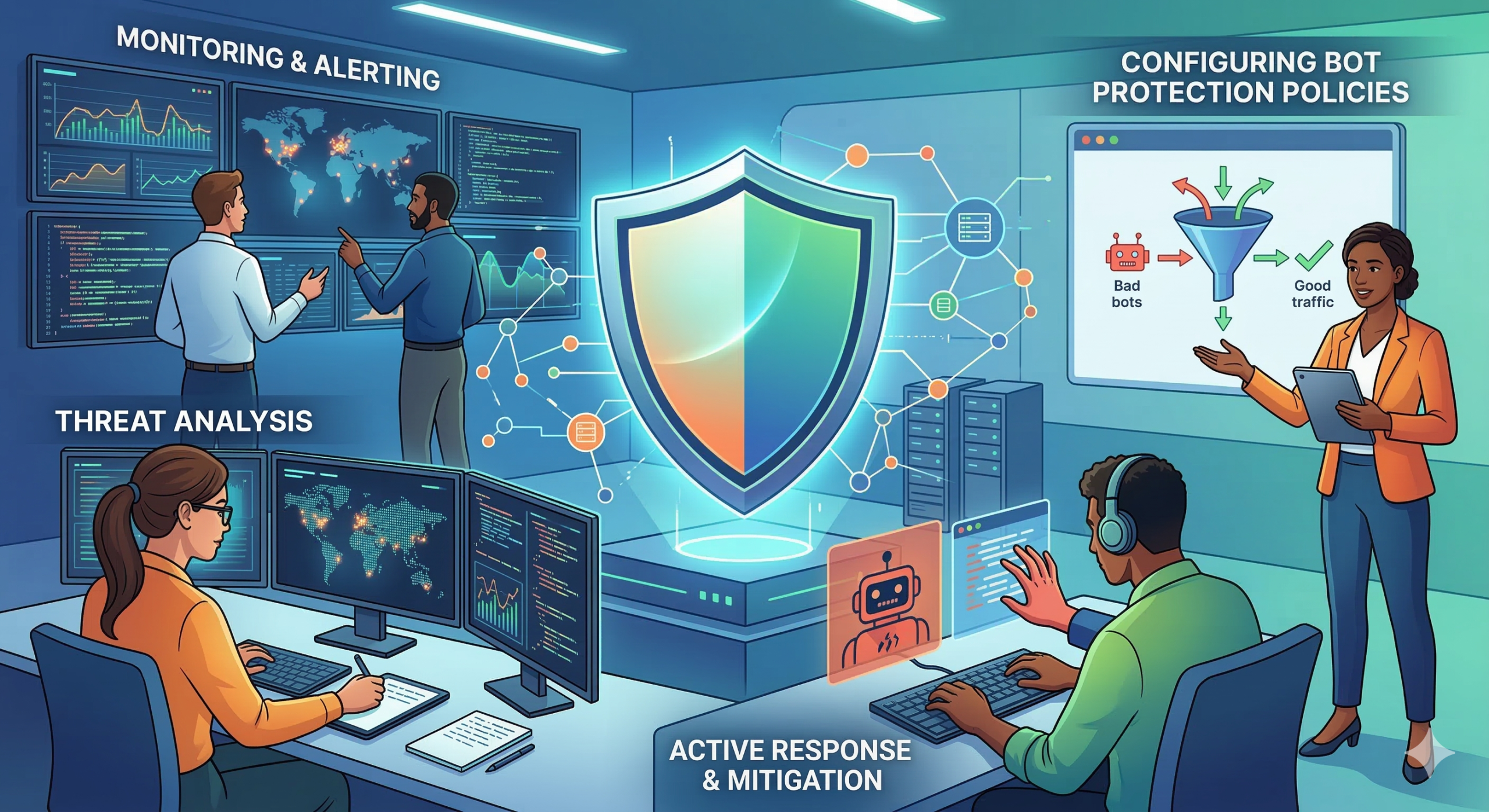
To maximize the advantages of CAPTCHAs and bot mitigation, IT sales organizations should:
- Choose Adaptive CAPTCHA Solutions: Opt for systems that adjust challenge difficulty based on user behavior and risk scoring rather than static puzzles. This flexibility enhances security while minimizing friction for genuine users.
- Collaborate with Cybersecurity Teams: Engage security experts early to configure and maintain bot protection tools aligned with evolving threats. Regular communication between sales and security teams ensures defenses remain effective as bot tactics evolve.
- Monitor and Analyze Traffic Patterns: Regularly review analytics to identify new bot tactics and update defenses accordingly. Leveraging AI-driven analytics can provide deeper insights into anomalous behaviors.
- Balance Security with User Experience: Ensure CAPTCHA implementation does not create unnecessary barriers for legitimate users, which can harm conversion rates. Employing invisible or low-impact verification methods can maintain a smooth user journey.
- Integrate with CRM Systems: Automate lead filtering workflows to streamline the qualification process and reduce manual intervention. Automated tagging and scoring of leads based on bot detection results allow sales teams to prioritize outreach efficiently.
- Educate Sales and Marketing Teams: Training team members to recognize signs of bot activity and understand the tools in place fosters a culture of vigilance and continuous improvement.
By following these guidelines, IT sales teams can protect their lead generation channels effectively while preserving a seamless experience for genuine prospects.
Emerging Trends in Bot Protection for IT Sales
As bot creators become more sophisticated, advanced CAPTCHA and bot protection technologies continue to evolve. The integration of artificial intelligence and behavioral biometrics enables systems to detect subtle anomalies in user interactions that even advanced bots struggle to mimic.
For example, some solutions now analyze typing rhythms, mouse movement velocity, and touchscreen gestures to build unique user profiles. This biometric approach adds an extra layer of verification that is difficult for automated scripts to replicate.
Furthermore, the rise of device fingerprinting technologies allows organizations to track devices across sessions without relying solely on cookies, which are increasingly restricted by privacy regulations. Combining these methods with real-time threat intelligence provides a comprehensive defense against automated fraud and abuse targeting IT sales funnels.
Additionally, there is a growing emphasis on privacy-compliant bot protection methods that respect user consent and data protection laws such as GDPR and CCPA. Balancing security needs with privacy considerations is becoming a key factor in selecting and deploying CAPTCHA technologies.
Conclusion
Advanced CAPTCHA and bot protection technologies are essential tools for IT sales teams aiming to reduce time-consuming manual lead vetting. With bots responsible for a significant portion of fraudulent submissions, adopting intelligent verification systems safeguards data quality and enhances sales productivity.
Collaborating closely with cybersecurity experts, such as those on the dedicated security teams, and leveraging solutions implemented by providers like the one mentioned earlier, organizations can create a robust defense against automated attacks. This synergy not only saves hours of manual work but also improves lead conversion rates, accelerates sales pipelines, and optimizes marketing spend.
As the complexity of bot threats continues to evolve, IT sales leaders must prioritize advanced bot protection strategies to maintain a competitive advantage and drive sustained growth. Investing in adaptive, intelligent, and privacy-conscious CAPTCHA solutions ensures that sales teams can focus on what matters most is engaging with real prospects and closing deals efficiently.
About the Author