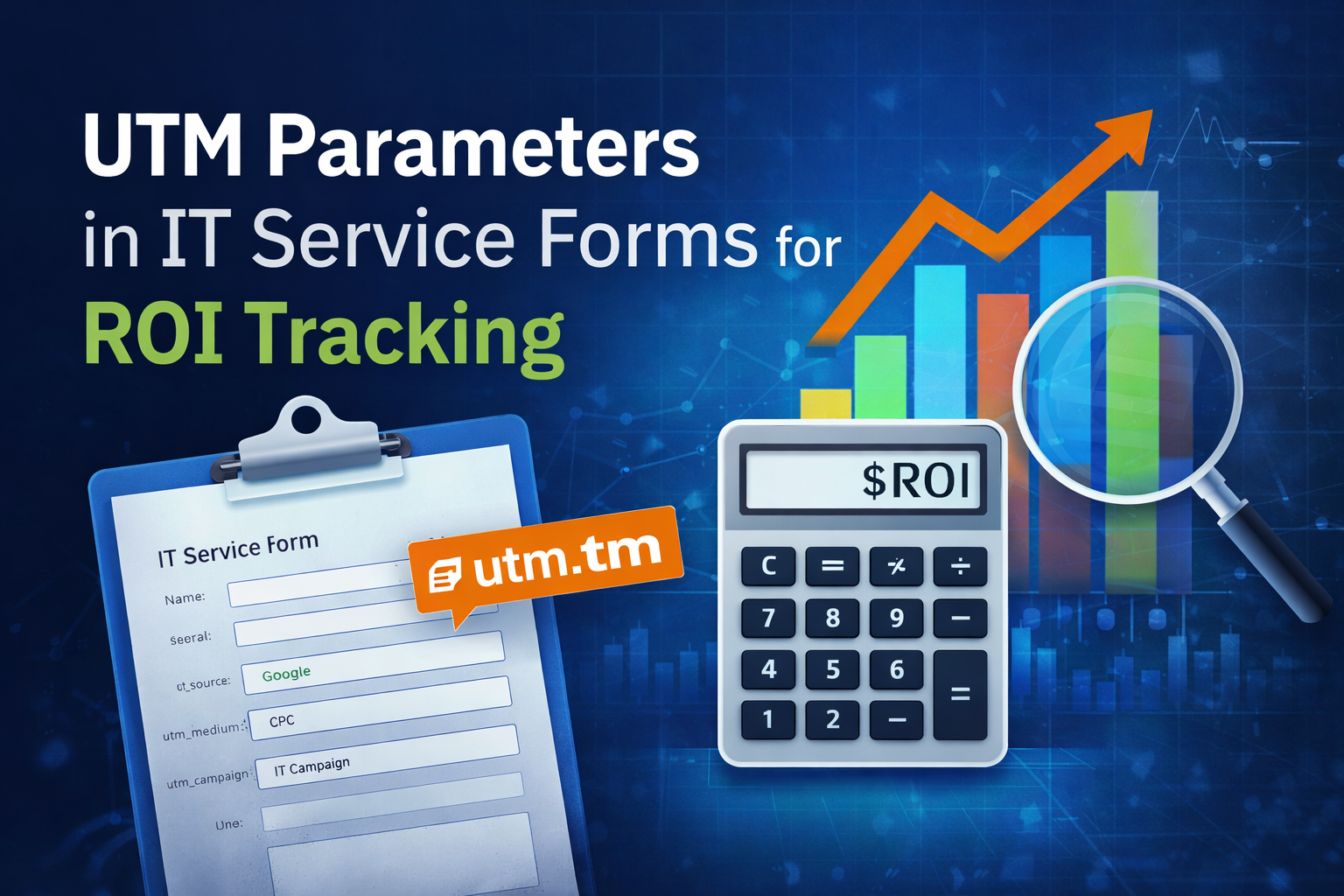
Using UTM Parameters in Your IT Service Forms to Calculate Exact Marketing ROI
In today’s highly competitive B2B landscape, IT service providers face increasing pressure to justify their marketing expenditures with measurable results. Managed service providers (MSPs), IT consultants, and other technology firms must not only generate leads but also accurately assess which marketing activities contribute to revenue growth.
Traditional metrics such as overall website visits or total lead counts provide only a superficial view of marketing performance. They often fail to reveal which specific campaigns or channels deliver returns, making it difficult to optimize marketing budgets effectively.
Accurate return on investment (ROI) measurement is especially critical for IT service companies because their sales cycles tend to be complex and involve multiple touchpoints.
Prospective clients may engage with various marketing assets, such as email newsletters, social media posts, paid ads, webinars, or organic search, before submitting a service inquiry. Without precise tracking, marketers risk misattributing leads and undervaluing the true impact of individual campaigns.
One of the most reliable methods to obtain granular insights into marketing effectiveness is by incorporating UTM parameters into your IT service forms. UTM parameters are small snippets of code appended to URLs that help track the source, medium, campaign name, and other relevant details of website visitors.
When these parameters are captured during form submissions, they enable companies to directly connect leads back to the exact marketing initiative that influenced the prospect. This clarity is indispensable for calculating the true marketing ROI.
UTM Parameters for Precise Marketing Attribution
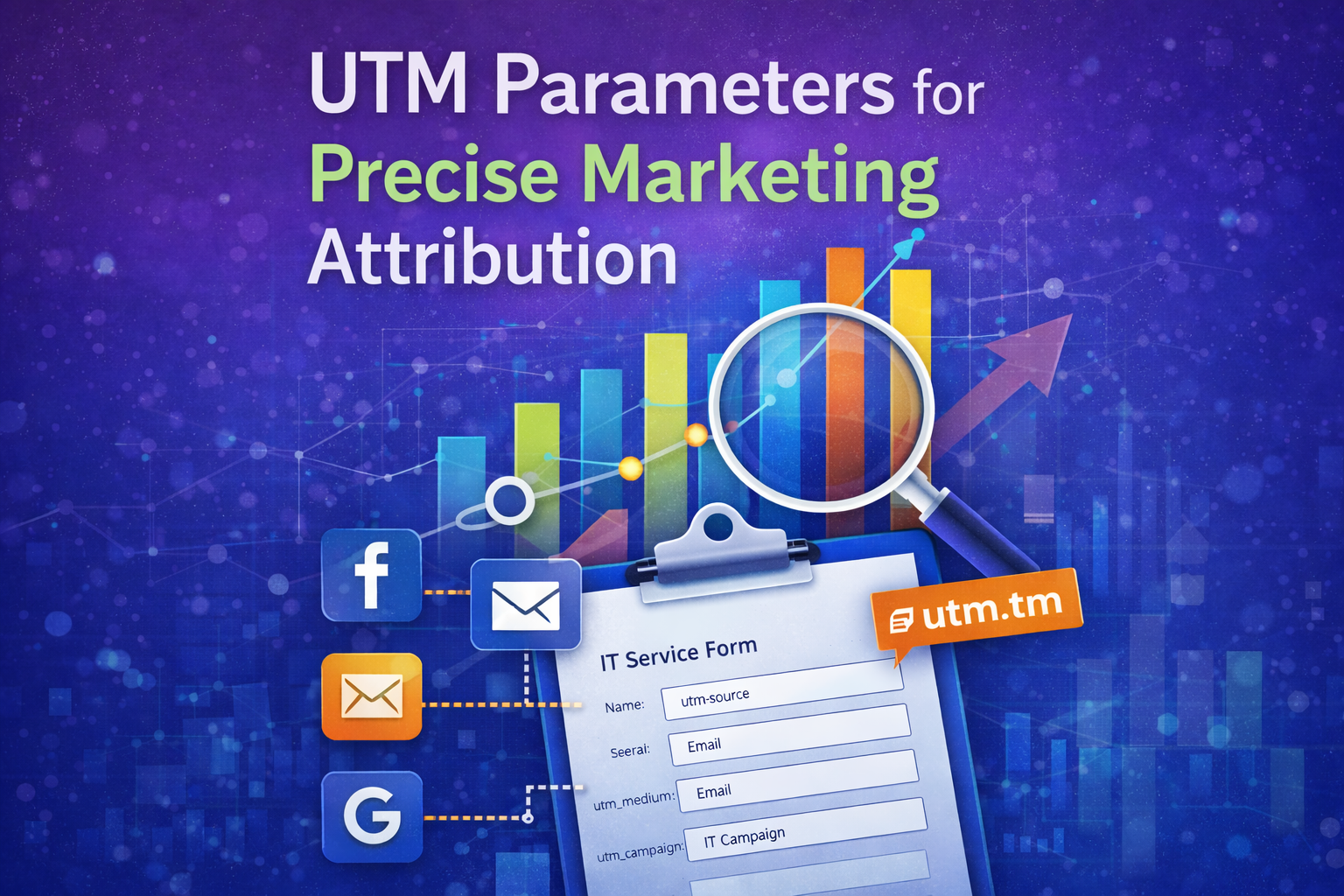
To illustrate the impact of UTM tracking, consider Turn Key Solutions, a premier MSP. This leading MSP has revolutionized its lead attribution by embedding UTM parameters into all client-facing forms.
The result is a highly detailed picture of which advertising channels-whether paid search, social media campaigns, or email outreach are generating the most valuable leads.
By analyzing these insights, they can strategically reallocate marketing budgets away from underperforming tactics and toward high-converting campaigns.
For organizations seeking IT consulting services, the buyer journey often involves multiple interactions across different platforms and touchpoints. Through hiring Vendita Technologies, companies can track the entire customer journey by capturing UTM parameters from every channel a prospect engages with before completing a form.
This multi-touch attribution model offers a more accurate evaluation of marketing contributions, moving beyond simplistic last-click models that often over-credit the final interaction.
As a result, marketers gain a holistic understanding of channel performance and can optimize campaigns based on comprehensive data.
The Mechanics of Implementing UTM Parameters in IT Service Forms
Implementing UTM tracking begins with appending standardized parameters to URLs used in marketing campaigns. These parameters typically include utm_source (identifying the referrer, such as “linkedin” or “newsletter”), utm_medium (the marketing channel, like “cpc” or “email”), utm_campaign (the campaign name or promotion), utm_term (keywords for paid search), and utm_content (to differentiate ads or links).
When a prospect clicks a URL containing these UTM parameters, the information is passed to the landing page and can be captured using hidden fields embedded within your IT service inquiry forms.
This process requires coordination between marketing and web development teams to ensure that the UTM values persist throughout the visitor’s session and are correctly stored upon form submission.
Once captured, UTM data is integrated into your customer relationship management (CRM) or lead management system. This enables marketers to generate detailed reports showing which campaigns are driving form submissions, conversions, and eventually revenue.
For example, an IT firm running a LinkedIn ad campaign promoting cloud migration services can identify exactly how many leads originated from that campaign and what percentage converted into paying customers.
Data-Driven Insights: Why UTM Parameters Matter
The value of UTM parameters in improving marketing ROI measurement is supported by compelling industry data.
According to a HubSpot study, companies employing detailed attribution models, such as those using UTM tracking-are 30% more likely to report improved marketing ROI compared to those relying on generic reporting tools. This statistic underscores the advantage of having precise data to inform marketing decisions.
Similarly, Salesforce research highlights that businesses leveraging accurate lead source tracking experience a 27% increase in lead conversion rates. This improvement is largely due to the ability to identify and invest in the most effective channels and campaigns.
Additionally, a Demand Metric report found that 60% of marketers consider accurate attribution data essential for making informed budget decisions. This trend emphasizes the growing recognition of UTM parameter tracking not just as a technical tool but as a strategic necessity for marketing success.
For IT service providers, these statistics translate into a clear mandate: integrating UTM parameters into your forms is no longer optional. It is a critical step toward transforming marketing data into actionable intelligence that drives growth.
Best Practices for Using UTM Parameters in IT Service Forms
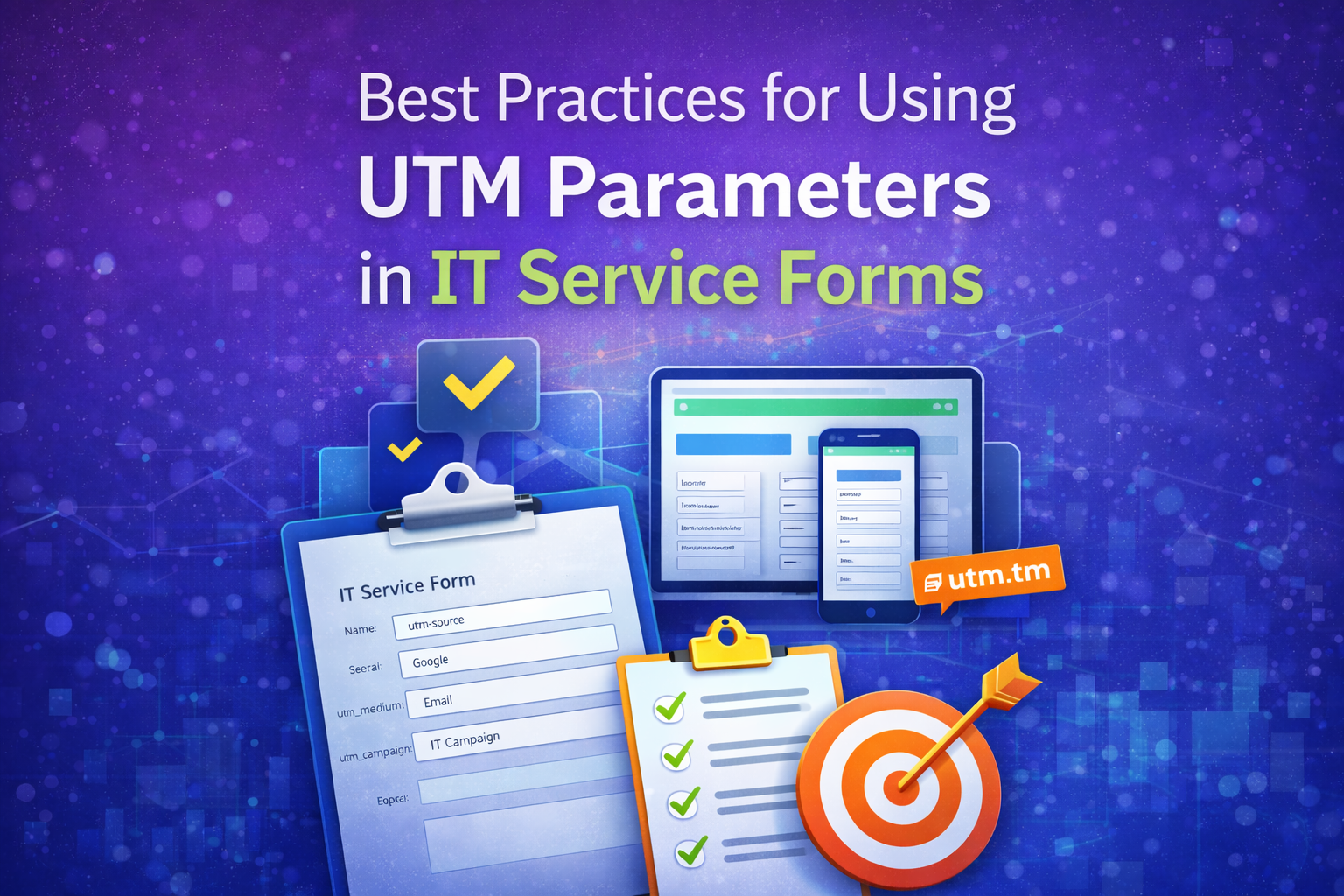
To unlock the full potential of UTM tracking, IT service providers should adopt the following best practices:
i) Standardize UTM Naming Conventions: Consistency in naming sources, mediums, and campaigns is crucial for maintaining clean, comparable data. Develop a naming taxonomy and enforce it across all marketing teams.
ii) Use Hidden Fields in Forms: Embed hidden fields in your service inquiry or contact forms to automatically capture UTM parameter values without requiring input from users. This ensures data accuracy and completeness.
iii) Ensure Parameter Persistence: Use cookies or session storage to preserve UTM parameters throughout the user’s journey, especially if they navigate multiple pages before submitting a form.
iv) Integrate with CRM Systems: Seamlessly pass UTM data into your CRM or lead management platform to enable comprehensive reporting and analysis alongside other lead attributes.
v) Regularly Analyze Data and Iterate: Continuously review attribution reports to identify trends, optimize budget allocation, and refine marketing campaigns based on performance insights.
vi) Train Marketing and Sales Teams: Educate stakeholders on how to interpret UTM data and incorporate findings into lead nurturing and sales strategies.
By following these guidelines, IT firms can close the loop between marketing activities and business outcomes, leading to smarter investments and improved ROI.
Overcoming Common Challenges with UTM Parameter Tracking
Despite its benefits, implementing UTM tracking is not without challenges. Some organizations experience data loss when prospects navigate away from the initial landing page or switch devices during their buying journey.
To address this, it is essential to implement technical solutions such as cookies or session storage that retain UTM parameters across multiple interactions.
Another challenge is ensuring that all marketing channels consistently use UTM parameters in their URLs. Without strict adherence to naming conventions and campaign tagging, data can become fragmented and unreliable.
Additionally, thorough testing of form integrations is necessary to confirm that hidden fields capture and transmit UTM data correctly. Errors in form setup can lead to incomplete attribution and flawed reporting.
Finally, fostering collaboration between marketing, sales, and IT teams helps ensure that UTM data is effectively utilized. When sales teams understand the value of this data, they can provide feedback on lead quality and help optimize marketing strategies accordingly.
The Broader Impact of Accurate Marketing Attribution in IT Services
Beyond immediate ROI measurement, the use of UTM parameters in IT service forms contributes to a culture of data-driven decision-making.
Marketing teams gain confidence in their strategies, enabling them to experiment with new channels or campaigns while measuring impact accurately. This agility is essential in a rapidly evolving technology market where buyer preferences and platforms change frequently.
Accurate attribution also supports better forecasting and resource planning. By understanding which campaigns have historically delivered the best results, IT firms can allocate budgets more strategically and predict revenue outcomes with greater certainty.
Moreover, prospects benefit from more personalized and relevant marketing communications. When companies know which channels and messages resonate best, they can tailor follow-up content and offers to meet client needs more effectively.
Conclusion: Driving Marketing ROI through Precise Lead Attribution
In the competitive IT services market, understanding the true ROI of marketing campaigns is paramount. Utilizing UTM parameters in your IT service forms enables precise attribution, transforming raw lead data into actionable intelligence.
Whether you are or a company considering, the ability to track and measure marketing effectiveness at a granular level empowers data-driven decision-making.
By adopting UTM parameter tracking, standardizing processes, and integrating with CRM systems, IT service providers can optimize marketing spend, improve lead quality, and accelerate growth.
The statistics are clear: companies with advanced attribution capabilities outperform their peers significantly. Start implementing UTM parameters today to unlock the full potential of your marketing efforts and drive measurable business success.
About the Author