How to Write Blog Posts That Consistently Generate Leads
Writing blog posts is not just about sharing knowledge or telling stories. For businesses, blogs are powerful tools for generating leads, building trust, and guiding readers toward your products or services. A blog post that attracts visitors but fails to convert them is a missed opportunity.
In 2025, creating blog content that drives leads requires a strategic approach that combines compelling writing, strong visuals, and clear calls to action.
This guide walks through actionable strategies to make every blog post a lead generating asset.
A. Start With Audience Intent
Understanding your audience is the first step in writing blog posts that convert. Think about the problems your target readers are trying to solve. Are they looking for advice, comparisons, or solutions to a specific challenge? Your content should align with their search intent and answer their questions thoroughly.
Conduct keyword research to find terms your audience uses and craft posts around these topics. Blog posts that match audience intent are more likely to attract qualified readers who are genuinely interested in your product or service.
B. Craft Headlines That Draw Attention
Your headline is the first thing readers see. A strong headline encourages clicks, while a weak one is quickly ignored. Focus on clarity, benefits, and specificity. Headlines that promise a solution or insight perform well for lead generation because they signal value to the reader.
Examples include "How to Improve Your Email Marketing in 30 Days" or "The Ultimate Guide to Choosing the Right CRM for Your Team" Specific numbers, actionable language, and problem-solving focus make readers want to learn more.
C. Use Strong Calls to Action
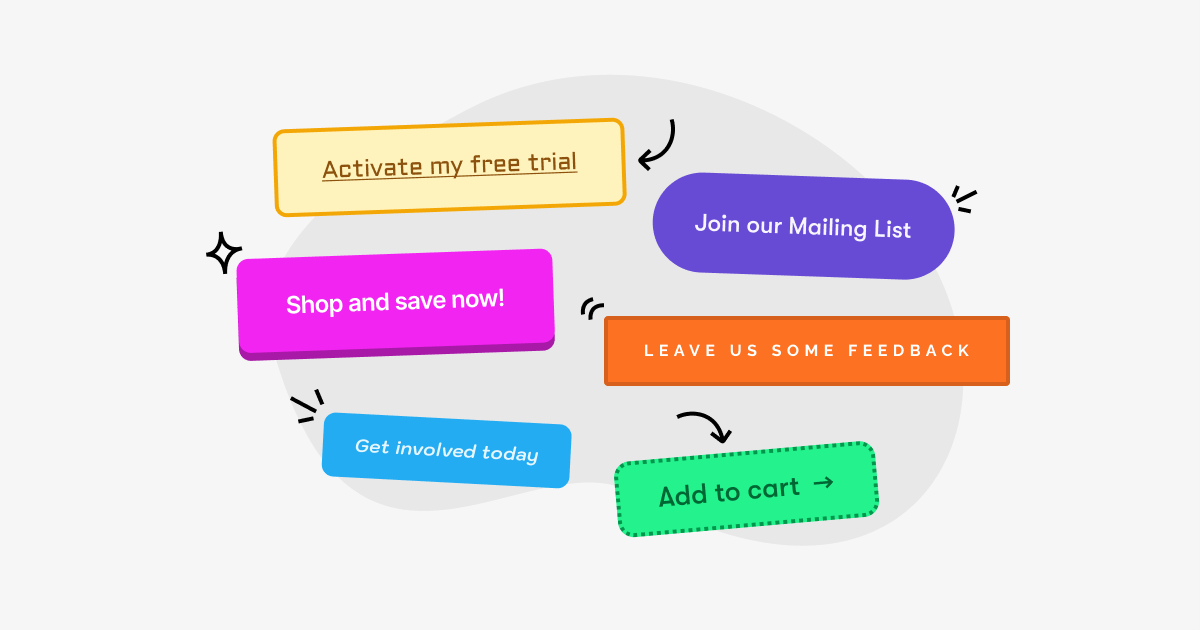
Every blog post should guide the reader to the next step. Clear calls to action turn visitors into leads. Depending on your goal, this could be downloading a guide, signing up for a newsletter, requesting a demo, or scheduling a consultation.
Place calls to action naturally throughout your post. Lead magnets such as free eBooks, checklists, or templates work especially well because they provide immediate value while capturing contact information.
D. Images Matter for Lead Generation
Visuals are more than decoration. They improve readability, illustrate points, and make content more engaging. Well chosen images can also help establish trust, particularly when you show real people, real examples, or authentic product use.
Using high quality images aligned with your topic can boost time on page, reduce bounce rate, and make readers more likely to engage with your calls to action. In blog posts aimed at generating leads, images should feel professional and relevant rather than purely decorative.
Our 5 Favourite Platforms
Here are five platforms that consistently provide images that enhance lead generating blog content:
i) Unsplash
Unsplash features high resolution photos contributed by a global community of photographers. Its collection is ideal for lifestyle, work, and business topics. The free license makes it easy for bloggers to use images without worrying about copyright.
ii) Vecteezy
Vecteezy’s new editorial section offers real world photos including sports (MLB, NBA, MLS, etc.) lifestyle, and cultural moments. Its authentic images are ideal for illustrating blog posts that discuss trends, industry news, or case studies. The platform also provides vectors and illustrations for cohesive design across posts.
iii) Pexels
Pexels offers professional looking photos and videos that feel modern and polished. It is especially useful for tech, marketing, and business related blog posts that need visuals that look credible and professional.
iv) Shutterstock
Shutterstock has a massive library covering almost any topic imaginable. For lead generating posts, Shutterstock’s search tools help you quickly find industry specific images, and subscription plans make it predictable for ongoing blog content creation.
v) Getty Images
Getty Images provides high quality editorial and lifestyle photography. Its images work well for authoritative blog content, giving credibility to posts that reference news, trends, or professional insights. It is particularly useful for blogs targeting B2B audiences.
E. Optimize Content for Search and Conversion

Good images support your text, but your blog also needs SEO optimization to attract qualified traffic. Use keywords naturally in headings, meta descriptions, and alt text. Internal linking guides readers to related posts or product pages, keeping them engaged longer.
Conversion focused formatting includes bullet points, numbered lists, short paragraphs, and clear visual hierarchy. These elements make content easy to scan and highlight calls to action.
F. Show Authority and Build Trust
Readers are more likely to convert when they trust your content. Use data, case studies, examples, and citations from reputable sources. Share your own expertise and experience to position yourself as a credible authority in your niche.
Trust also comes from consistency. Regularly posting high-quality content with helpful visuals signals reliability and professionalism, encouraging readers to take the next step.
G. Test, Measure, and Improve
Not every blog post will perform perfectly the first time. Track metrics like page views, time on page, conversion rate, and click through on calls to action. Use A/B testing for headlines, lead magnets, and images to see what resonates with your audience.
Refining your approach based on real data ensures that your blog continues to generate high quality leads over time.
Conclusion
Writing blog posts that generate leads requires strategy, quality, and consistency. By understanding your audience, crafting compelling headlines, using strong calls to action, and leveraging high quality images, bloggers can turn posts into powerful lead generating tools.
Platforms like Vecteezy Editorial, Unsplash, Pexels, Shutterstock, and Getty Images provide visuals that elevate content and make readers more likely to engage.
In 2025, combining strong writing, strategic visuals, and effective lead capture turns blogs from simple content outlets into growth engines for your business.
About the Author